
Xometry's SLM Metal 3D Printing: Unleashing Lightweight, Customizable Metal Parts
Unlock unprecedented design freedom and performance with Xometry's SLM metal 3D printing service.
Understanding Selective Laser Melting (SLM) for Metal Parts
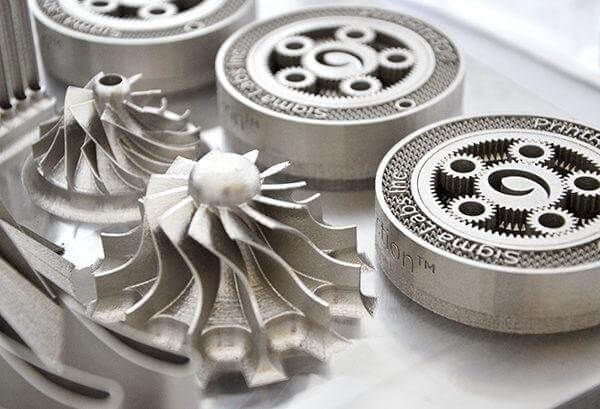
Selective Laser Melting (SLM) is a metal additive manufacturing process that utilizes a high-power laser to selectively melt and fuse metallic powders together, layer by layer. Unlike traditional manufacturing methods, SLM allows for the creation of complex geometries, internal lattices, and intricate designs that would be impossible or cost-prohibitive to produce using conventional techniques. Xometry’s SLM service offers access to a wide range of metal materials, including aluminum, stainless steel, titanium, and nickel alloys, enabling the production of functional prototypes and end-use parts with exceptional mechanical properties.
The SLM process begins with a digital 3D model of the desired part. This model is then sliced into thin cross-sectional layers, which are used to guide the laser beam during the printing process. A thin layer of metal powder is spread across the build platform, and the laser selectively melts the powder according to the first layer of the design. The build platform then lowers, a new layer of powder is spread, and the process repeats until the entire part is complete. The finished part is then removed from the build platform and undergoes post-processing, such as heat treatment or surface finishing, to achieve the desired mechanical properties and surface quality.
Advantages of SLM for Lightweight and Customizable Metal Parts
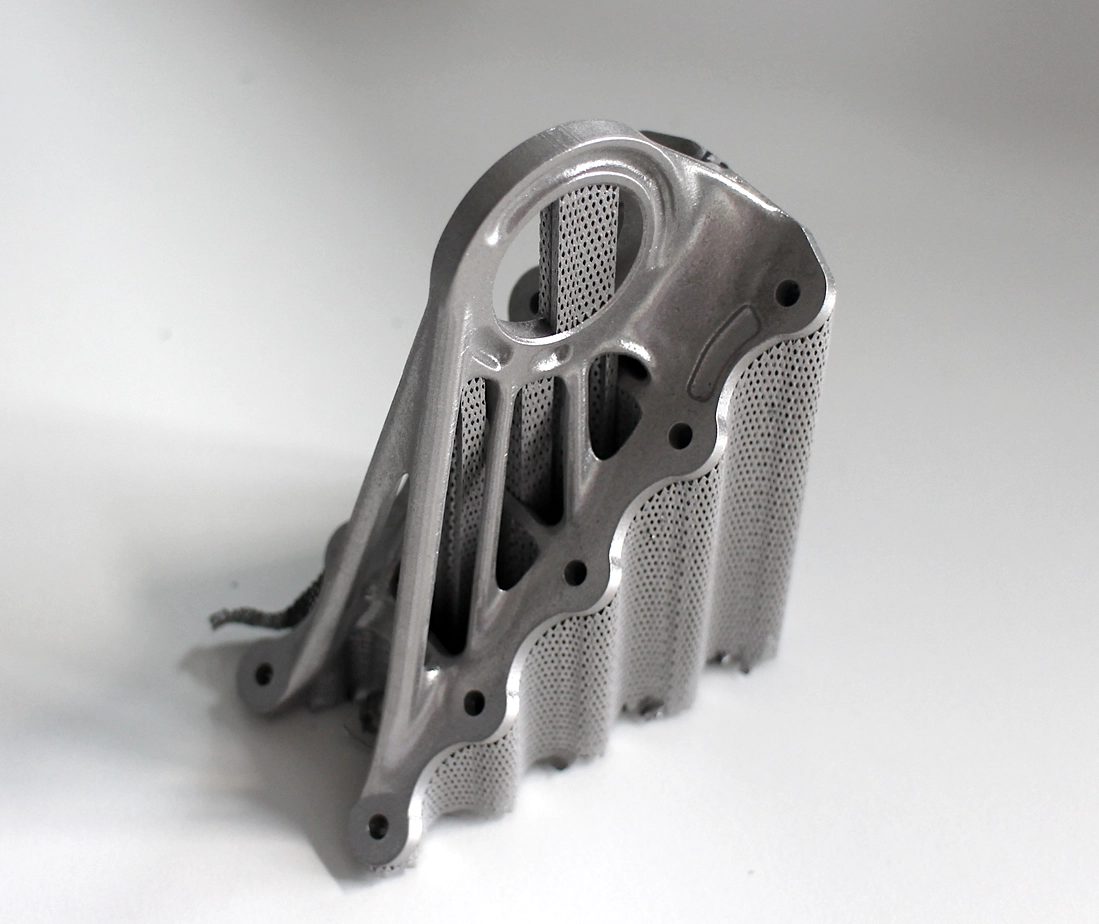
Xometry’s SLM metal 3D printing service provides several key advantages for creating lightweight and highly customizable metal parts. One of the primary benefits is the ability to design and manufacture parts with optimized geometries, such as internal lattice structures or hollow sections. These design features significantly reduce the weight of the part without sacrificing strength or structural integrity. This is particularly beneficial for applications where weight reduction is critical, such as in aerospace, automotive, and medical industries. Furthermore, SLM enables the creation of complex geometries and intricate designs that are simply not possible with traditional manufacturing methods, offering unparalleled design freedom.
Another significant advantage of SLM is its ability to produce parts with tailored material properties. By carefully controlling the laser parameters and the composition of the metal powder, Xometry can fine-tune the mechanical properties of the finished part to meet specific application requirements. This includes optimizing for strength, stiffness, ductility, and corrosion resistance. The high level of customization offered by SLM makes it an ideal choice for creating parts with unique performance characteristics or for adapting designs to evolving needs. The ability to create complex internal channels also enables conformal cooling solutions leading to performance enhancements.
Typical Applications in Aerospace and Industrial Engineering
Xometry’s SLM metal 3D printing service finds numerous applications in aerospace and industrial engineering due to its ability to produce lightweight, high-performance metal parts. In the aerospace industry, SLM is used to manufacture complex engine components, structural brackets, and customized tooling. The lightweight nature of SLM-produced parts helps to improve fuel efficiency and reduce overall aircraft weight. Furthermore, SLM enables the creation of parts with integrated cooling channels, which are essential for managing heat in high-performance engines.
In industrial engineering, SLM is used to create customized tooling, jigs, and fixtures, as well as functional prototypes and end-use parts for a variety of applications. The ability to rapidly prototype and iterate on designs with SLM allows engineers to quickly test and refine their concepts, reducing development time and costs. SLM is also used to manufacture parts with complex geometries or internal features, such as manifolds, heat exchangers, and customized fluid handling components. The use of SLM in these applications results in improved performance, reduced weight, and increased design flexibility.
Material Selection for SLM at Xometry
Xometry offers a diverse selection of metal materials for SLM 3D printing, catering to a wide range of application requirements. Aluminum alloys, such as AlSi10Mg, are popular for their lightweight properties and good strength-to-weight ratio, making them suitable for aerospace and automotive components. Stainless steels, including 316L and 17-4 PH, offer excellent corrosion resistance and mechanical properties, making them ideal for medical devices, food processing equipment, and chemical processing applications. Titanium alloys, such as Ti6Al4V, provide exceptional strength, biocompatibility, and corrosion resistance, making them a preferred choice for aerospace, medical implants, and high-performance engineering components.
Nickel alloys, such as Inconel 718, offer high-temperature strength, creep resistance, and oxidation resistance, making them well-suited for aerospace engine components and other high-temperature applications. Copper alloys are also available for applications requiring high thermal and electrical conductivity. Xometry’s team of experienced engineers can provide guidance on material selection to ensure that the chosen material meets the specific requirements of your application. The material selection is critical to ensure the part meets the mechanical and environmental requirements of the application.
Getting a Quote for Xometry's SLM Metal 3D Printing Service
Obtaining a quote for Xometry’s SLM metal 3D printing service is a straightforward process. Simply upload your 3D model to the Xometry Instant Quoting Engine, select the desired material and quantity, and receive an instant quote. The Xometry platform supports a wide range of CAD file formats, including STL, STEP, and SolidWorks. The Instant Quoting Engine automatically analyzes your 3D model and provides a detailed breakdown of the manufacturing costs, including material costs, labor costs, and machine time. You can then adjust the material, quantity, or other parameters to optimize the cost and lead time of your project.
In addition to the Instant Quoting Engine, Xometry also offers expert support from its team of experienced engineers. If you have any questions about the SLM process, material selection, or design optimization, you can contact Xometry’s engineering team for assistance. They can provide guidance on design for manufacturability (DFM) to ensure that your parts are optimized for the SLM process, resulting in improved quality and reduced costs. Xometry is committed to providing its customers with the highest level of service and support throughout the entire manufacturing process.
Key Takeaways
- SLM metal 3D printing
- Metal additive manufacturing
- Lightweight metal parts
- Xometry
- Metal 3D printing service
- Selective laser melting