
Sheet Metal Materials: Steel vs. Aluminum vs. Stainless Steel
A comprehensive guide to selecting the right sheet metal for your industrial fabrication needs.
Understanding Common Sheet Metal Materials
Sheet metal is a fundamental material in numerous industrial applications, from aerospace and automotive to construction and electronics. The versatility of sheet metal lies in its ability to be cut, bent, and formed into a wide array of shapes and structures. Choosing the right sheet metal material is crucial for ensuring the durability, performance, and cost-effectiveness of your project. The three most common types of sheet metal are steel (including carbon steel, galvanized steel, and others), aluminum, and stainless steel. Each possesses unique properties that make it suitable for different applications. Understanding these properties is the first step in making an informed material selection.
This guide will delve into the characteristics of each material, outlining their strengths and weaknesses. We’ll explore factors like strength, weight, corrosion resistance, weldability, and cost. By the end of this post, you’ll have a solid understanding of which sheet metal material best fits your specific project requirements.
Steel: The Workhorse of Sheet Metal
Steel, particularly carbon steel, is renowned for its high strength and affordability. It’s a popular choice in applications where structural integrity is paramount, such as in automotive frames, construction beams, and heavy machinery components. However, carbon steel is susceptible to rust and corrosion, especially in humid or outdoor environments. To combat this, steel is often coated with protective layers like zinc (galvanized steel) or paint.
Galvanized steel offers enhanced corrosion resistance compared to uncoated carbon steel, making it suitable for outdoor applications like roofing, siding, and fencing. The zinc coating acts as a barrier, preventing moisture and oxygen from reaching the underlying steel. While galvanized steel is more corrosion-resistant than carbon steel, it is generally heavier. Consider the weight implications in your designs. Furthermore, welding galvanized steel requires specific techniques to avoid releasing harmful fumes from the zinc coating.
Steel’s weldability is generally good, though the specific welding process may vary depending on the steel alloy. Its high strength and relatively low cost make it a versatile option for many industrial projects.
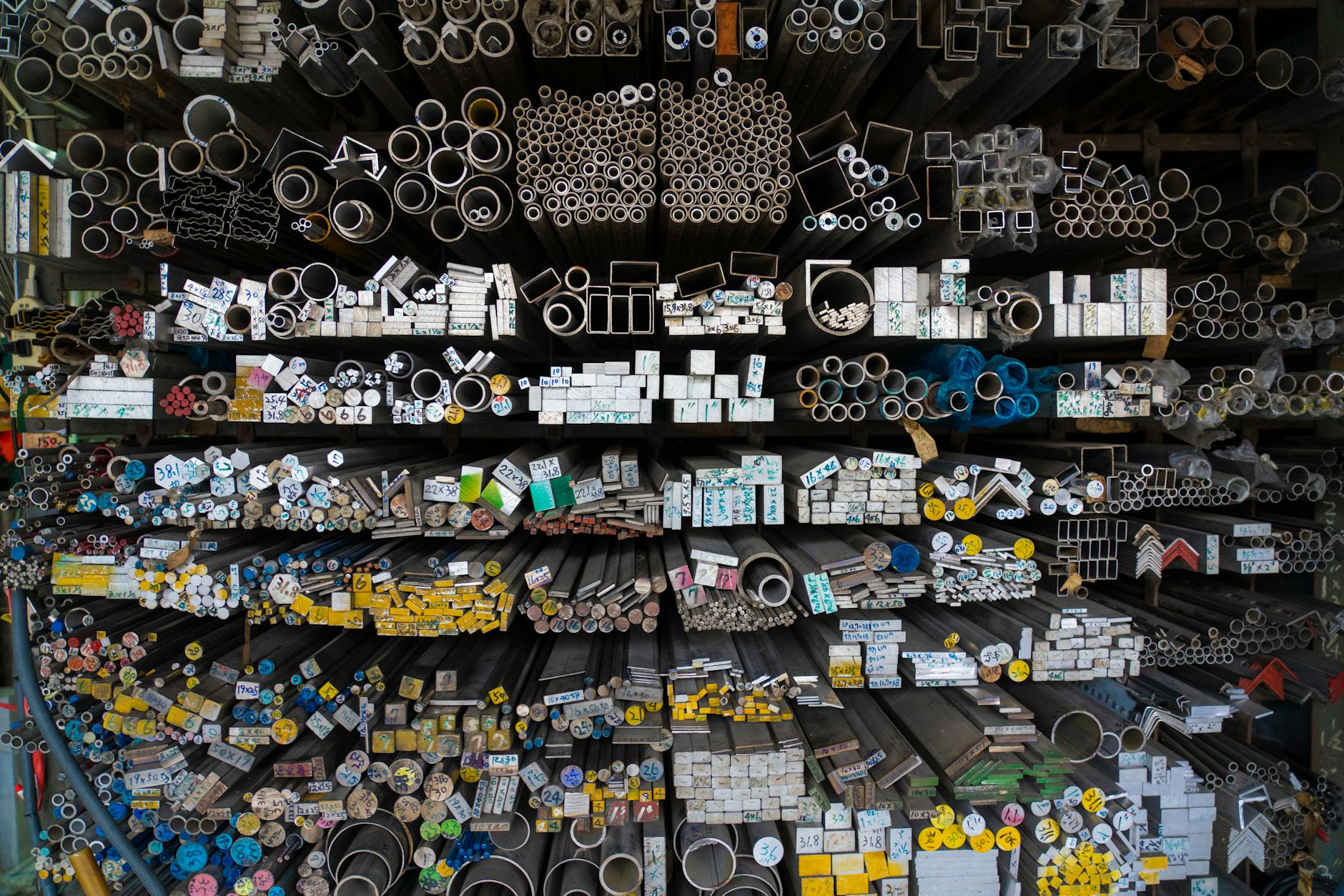

Aluminum: Lightweight and Corrosion-Resistant
Aluminum stands out for its exceptional strength-to-weight ratio and natural corrosion resistance. It’s approximately one-third the weight of steel, making it ideal for applications where weight reduction is a priority, such as in aerospace, automotive, and transportation industries. Aluminum forms a protective oxide layer when exposed to air, preventing further corrosion. This makes it well-suited for outdoor applications and environments where moisture is present.
While aluminum is naturally corrosion-resistant, certain alloys offer even greater protection. Aluminum is also highly recyclable, making it an environmentally friendly material choice. However, aluminum is generally more expensive than steel. Its lower strength compared to steel may also necessitate thicker gauges to achieve the desired structural integrity. Aluminum is also more challenging to weld than steel, requiring specialized techniques and equipment.
Consider aluminum when weight is a critical factor and corrosion resistance is essential. Its versatility and aesthetic appeal also make it a popular choice for architectural applications.
Stainless Steel: The Premium Choice for Durability and Hygiene
Stainless steel is prized for its exceptional corrosion resistance, high strength, and hygienic properties. It contains chromium, which forms a passive layer on the surface, preventing rust and corrosion even when scratched or exposed to harsh environments. This makes stainless steel ideal for applications in food processing, medical equipment, and chemical processing plants, where cleanliness and durability are paramount.
Stainless steel is available in various grades, each with different properties and levels of corrosion resistance. Austenitic stainless steels (e.g., 304 and 316) are the most common types, offering excellent weldability and formability. However, stainless steel is generally the most expensive of the three materials. While its high strength and corrosion resistance justify the cost in many applications, it’s essential to consider the budget constraints of your project. Stainless steel can be more difficult to cut and form than steel or aluminum, potentially increasing fabrication costs.
Choose stainless steel when corrosion resistance, hygiene, and longevity are critical requirements. While it may come at a higher initial cost, its durability can result in lower long-term maintenance and replacement expenses.
Key Considerations for Material Selection
Selecting the appropriate sheet metal material involves careful consideration of several factors beyond just the material properties themselves. The intended application is paramount. What environment will the finished product be exposed to? Will it be subject to high stress or impact? Is weight a critical factor? The answers to these questions will help narrow down your choices.
Cost is always a significant consideration. While stainless steel offers superior performance in many areas, its higher price may not be justifiable for all applications. Consider the long-term costs, including maintenance and replacement expenses, when evaluating the overall cost-effectiveness of each material. Fabrication processes also play a role. Some materials are easier to cut, bend, and weld than others. This can impact the overall manufacturing cost and lead time.
Finally, consider any regulatory requirements or industry standards that may apply to your project. Certain industries, such as food processing and medical equipment, have strict material requirements to ensure safety and hygiene. By carefully evaluating these factors, you can make an informed decision and select the sheet metal material that best meets your needs.
A Quick Reference Table
To help summarize the key differences, here’s a quick reference table:
| Property | Steel | Aluminum | Stainless Steel |
|---|---|---|---|
| Strength | High | Moderate | High |
| Weight | High | Low | High |
| Corrosion Resistance | Low (unless coated) | High | Very High |
| Weldability | Good | Fair | Good |
| Cost | Low | Moderate | High |
Note: This table provides a general comparison. Specific properties can vary depending on the alloy.
Key Takeaways
- Sheet metal
- Steel
- Aluminum
- Stainless steel
- Fabrication
- Manufacturing
- Metalworking
- Material selection
- Industrial applications
- Metal properties