
Rapid Prototyping: How Online Manufacturing Delivers Parts in 1 Day
Discover how online manufacturing platforms are redefining rapid prototyping with unprecedented speed and efficiency.
The Need for Speed in Prototyping
In today’s fast-paced product development landscape, speed is paramount. The ability to quickly iterate on designs, test prototypes, and gather feedback can be the difference between success and failure. Traditional prototyping methods often involve lengthy lead times, delaying the entire development process. This is where rapid prototyping through online manufacturing platforms is revolutionizing the industry.
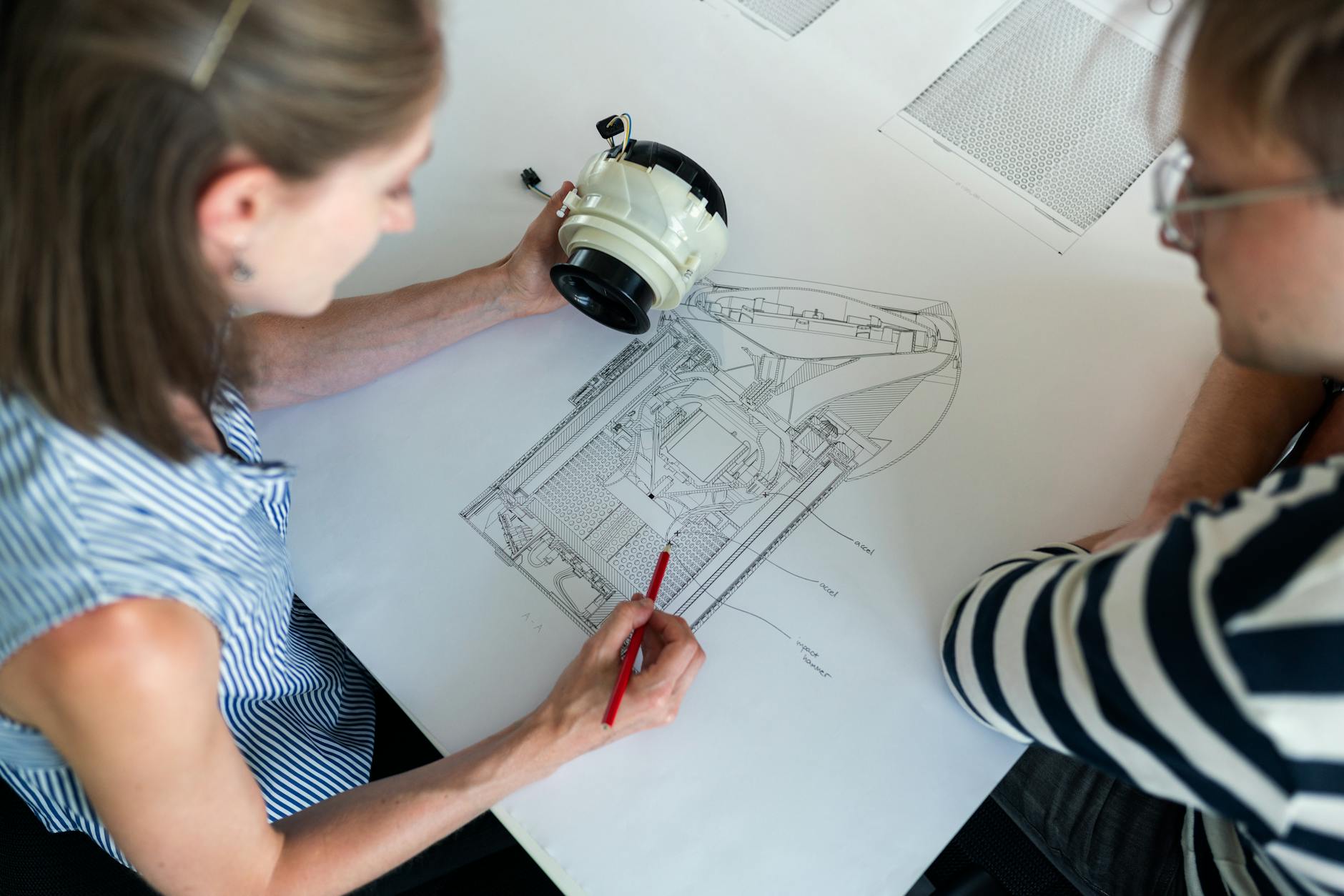
Rapid prototyping allows engineers and designers to create physical parts from their digital designs with incredible speed. This enables faster validation of concepts, identification of design flaws, and quicker iteration cycles. By reducing the time it takes to get a physical prototype in hand, companies can accelerate their time to market and gain a competitive edge.
The demands of modern product development require agility and responsiveness. Online manufacturing platforms are uniquely positioned to meet these demands by leveraging advanced technologies and streamlined processes to deliver prototypes faster than ever before.
One-Day Manufacturing: A Reality?
Yes, one-day manufacturing is no longer a futuristic concept but a present-day reality, thanks to the advancements in online manufacturing platforms. While not every part can be manufactured in a single day (complexity and material availability play a role), many prototypes can be produced and shipped within 24 hours. This remarkable feat is achieved through a combination of factors, including automated quoting, streamlined workflows, and advanced manufacturing technologies.
Online platforms utilize sophisticated algorithms to instantly analyze CAD models and provide accurate quotes. This eliminates the need for manual quoting processes, which can often take days. Once an order is placed, the platform automatically routes the job to the appropriate manufacturing facility based on factors such as machine availability, material requirements, and geographic location. The use of digital twins and simulations allows for pre-production verification, further minimizing potential delays.
The speed of manufacturing depends on the capabilities and capacity of the chosen vendor. Platforms with a large network of manufacturers have a distinct advantage here.
Key Technologies Enabling Rapid Turnaround
Several key technologies contribute to the rapid turnaround times offered by online manufacturing platforms:
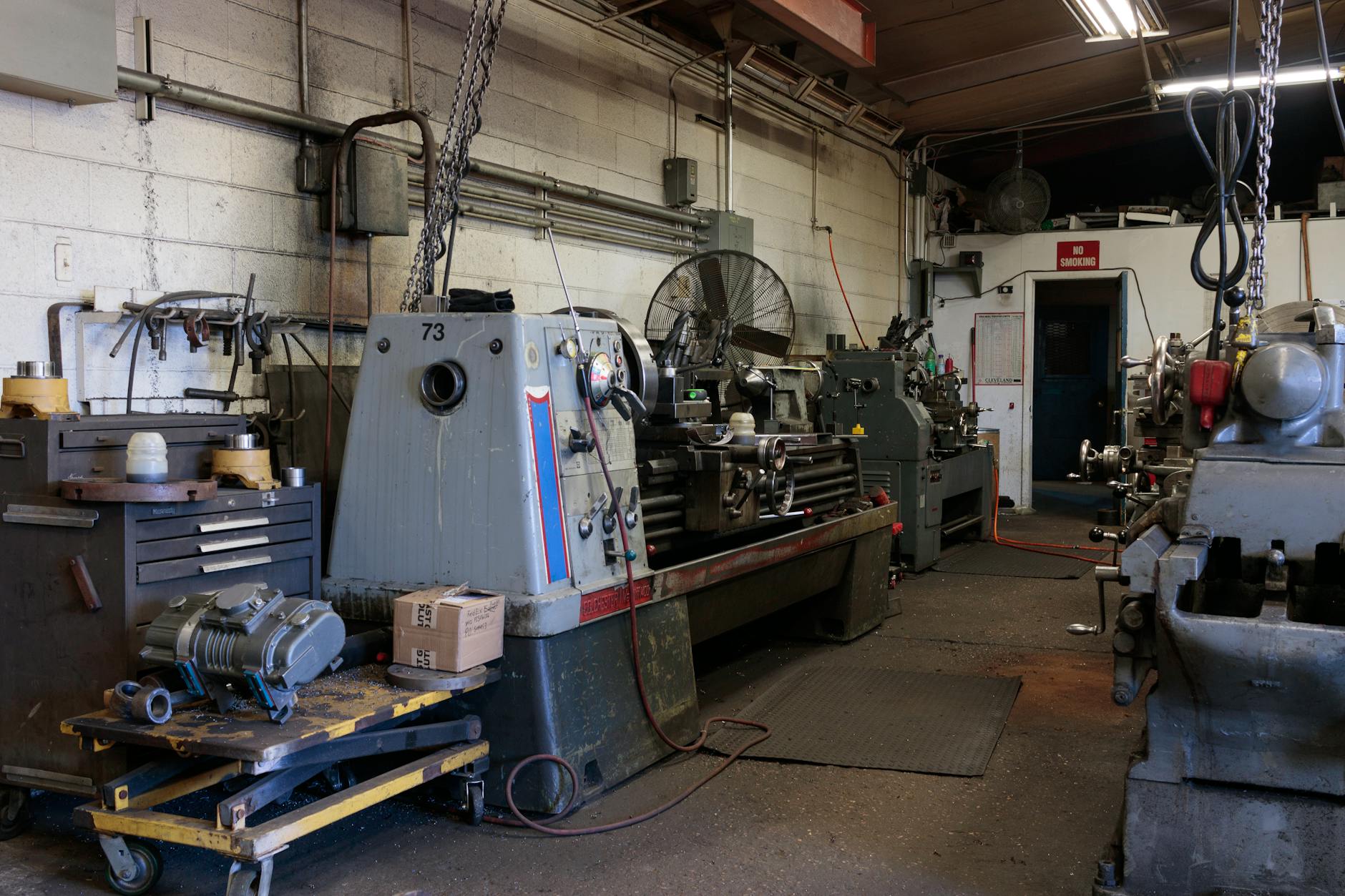
- CNC Machining: Computer Numerical Control (CNC) machining is a subtractive manufacturing process that uses high-speed cutting tools to remove material from a solid block. Advanced CNC machines can produce complex parts with high precision and accuracy.
- 3D Printing: Also known as additive manufacturing, 3D printing builds parts layer by layer from a digital design. It is ideal for creating complex geometries and intricate features.
- Automated Quoting Systems: AI-powered quoting engines analyze CAD files instantly, providing accurate pricing and manufacturability feedback.
- Digital Manufacturing Networks: These networks connect designers with a vast network of manufacturing partners, enabling access to a wide range of capabilities and materials.
- Real-time Tracking and Communication: Customers can track the progress of their orders in real-time and communicate directly with the manufacturing team.
The seamless integration of these technologies within online manufacturing platforms allows for efficient and streamlined prototyping processes.
Factors Influencing Lead Times
While one-day manufacturing is possible, several factors can influence the overall lead time for a prototype:
- Part Complexity: Highly complex parts with intricate geometries may require more machining time and specialized tooling, extending the lead time.
- Material Availability: The availability of the required material can impact lead times. Common materials are typically readily available, while specialized materials may require longer procurement times.
- Manufacturing Process: Different manufacturing processes have different lead times. For example, 3D printing may be faster for certain geometries than CNC machining, and vice versa.
- Order Volume: Larger order volumes may require more time to manufacture, especially if the manufacturing facility has limited capacity.
- Finishing Requirements: Additional finishing processes, such as painting, anodizing, or powder coating, can add to the overall lead time.
Understanding these factors can help designers optimize their designs and choose the most appropriate manufacturing process to minimize lead times.
Benefits of Rapid Prototyping with Online Manufacturing
Choosing online manufacturing for rapid prototyping offers numerous advantages:
- Faster Time to Market: Reduced lead times enable faster iteration cycles and accelerate time to market.
- Reduced Costs: Streamlined processes and automated quoting can lower prototyping costs.
- Improved Design Quality: Rapid iteration allows for early identification of design flaws and continuous improvement.
- Access to a Wide Range of Materials and Processes: Online platforms offer access to a vast network of manufacturing partners with diverse capabilities.
- Scalability: Online manufacturing can easily scale from prototyping to production volumes.
By leveraging the power of online manufacturing, companies can significantly improve their product development process and gain a competitive advantage.
Real-World Applications
Rapid prototyping is transforming various industries. In the medical device sector, it allows for quick iteration on surgical tools and implants. Aerospace companies use it to test aerodynamic designs and create lightweight components. The automotive industry relies on rapid prototyping to develop new vehicle models and improve existing designs. Consumer electronics companies leverage it to create functional prototypes of new gadgets and devices, testing ergonomics and user experience before mass production. Even the fashion industry benefits, using rapid prototyping to create custom-fit clothing and accessories.
The ability to quickly create and test physical prototypes is essential for innovation across all sectors. Online manufacturing platforms are democratizing access to advanced manufacturing technologies, empowering companies of all sizes to bring their ideas to life faster and more efficiently.
Key Takeaways
- Rapid prototyping
- Online manufacturing
- CNC machining
- 3D printing
- Manufacturing lead times
- Prototype manufacturing
- Digital manufacturing
- On-demand manufacturing