
Polypropylene (PP) in 3D Printing: When to Leverage its Chemical Resistance
Discover why Polypropylene's chemical inertness makes it a game-changer for specific 3D printing applications.
Understanding Polypropylene (PP) and its Unique Properties
Polypropylene (PP) is a thermoplastic polymer renowned for its versatility and robust properties, making it a popular choice across various industries. In the realm of 3D printing, PP offers a unique set of advantages, particularly when chemical resistance is a critical factor. Unlike some other 3D printing materials that can degrade or weaken upon exposure to certain chemicals, PP exhibits excellent resistance to a wide range of substances, including acids, bases, and organic solvents. This inherent chemical inertness stems from its molecular structure, which makes it less susceptible to chemical reactions. The material also boasts good fatigue resistance, is lightweight, and can be recycled. These properties make it a cost-effective solution for many engineering applications.
The ability to withstand harsh chemical environments opens doors for PP in applications where other materials might fail prematurely. Before selecting PP, it’s crucial to understand its limitations. PP has a relatively high thermal expansion coefficient, meaning it expands and contracts more with temperature changes compared to some other polymers. It is also more challenging to print than materials like PLA and PETG, often requiring a heated bed and enclosure for optimal results.
The Chemical Resistance Advantage: Why Choose PP?
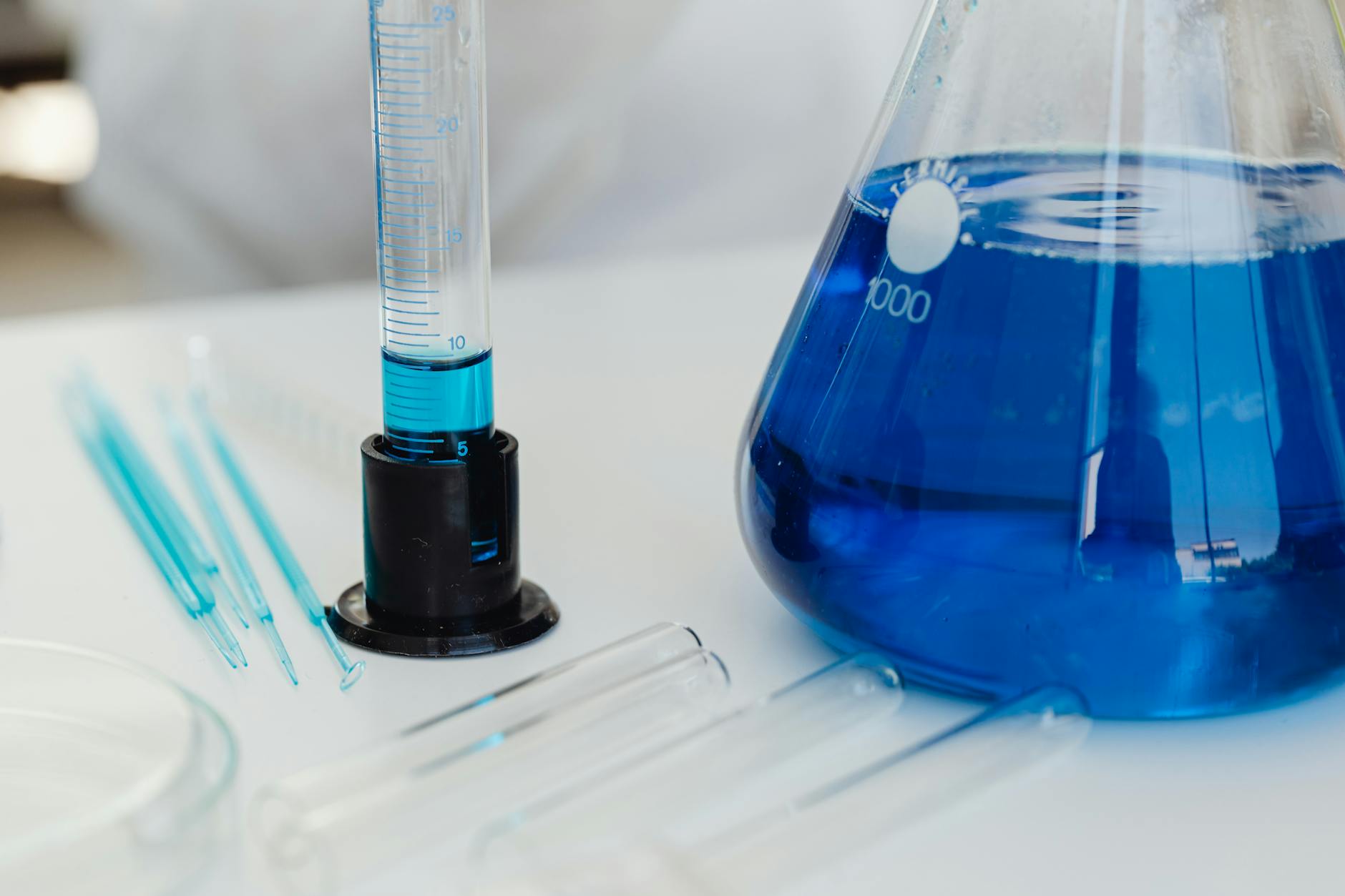
The primary reason to choose PP for 3D printing lies in its exceptional chemical resistance. This characteristic makes it suitable for applications where parts will be exposed to corrosive or reactive substances. For example, in the chemical processing industry, PP can be used to create housings, containers, and fluid handling components that can withstand constant contact with aggressive chemicals. Similarly, in laboratories, PP’s resistance to solvents and reagents makes it an ideal material for creating custom labware, such as beakers, funnels, and storage containers.
Beyond direct chemical exposure, PP’s resistance to degradation also contributes to its longevity and durability. Parts made from PP are less likely to crack, warp, or dissolve when exposed to chemicals, ensuring reliable performance over extended periods. This is particularly important in applications where failure could have serious consequences, such as in medical devices or automotive components. When designing for chemical resistance, consider the specific chemicals the part will encounter and consult chemical compatibility charts to ensure PP is suitable for the application.
PP in the Automotive Industry: A Reliable Choice
The automotive industry relies heavily on durable and chemically resistant materials, making PP an increasingly popular choice for various 3D-printed components. Under-the-hood parts, such as fluid reservoirs, air ducts, and battery housings, are often subjected to harsh chemicals, including oils, fuels, and cleaning agents. PP’s resistance to these substances ensures that these components maintain their structural integrity and performance over time. Furthermore, PP’s lightweight nature contributes to improved fuel efficiency, a key consideration in modern automotive design.
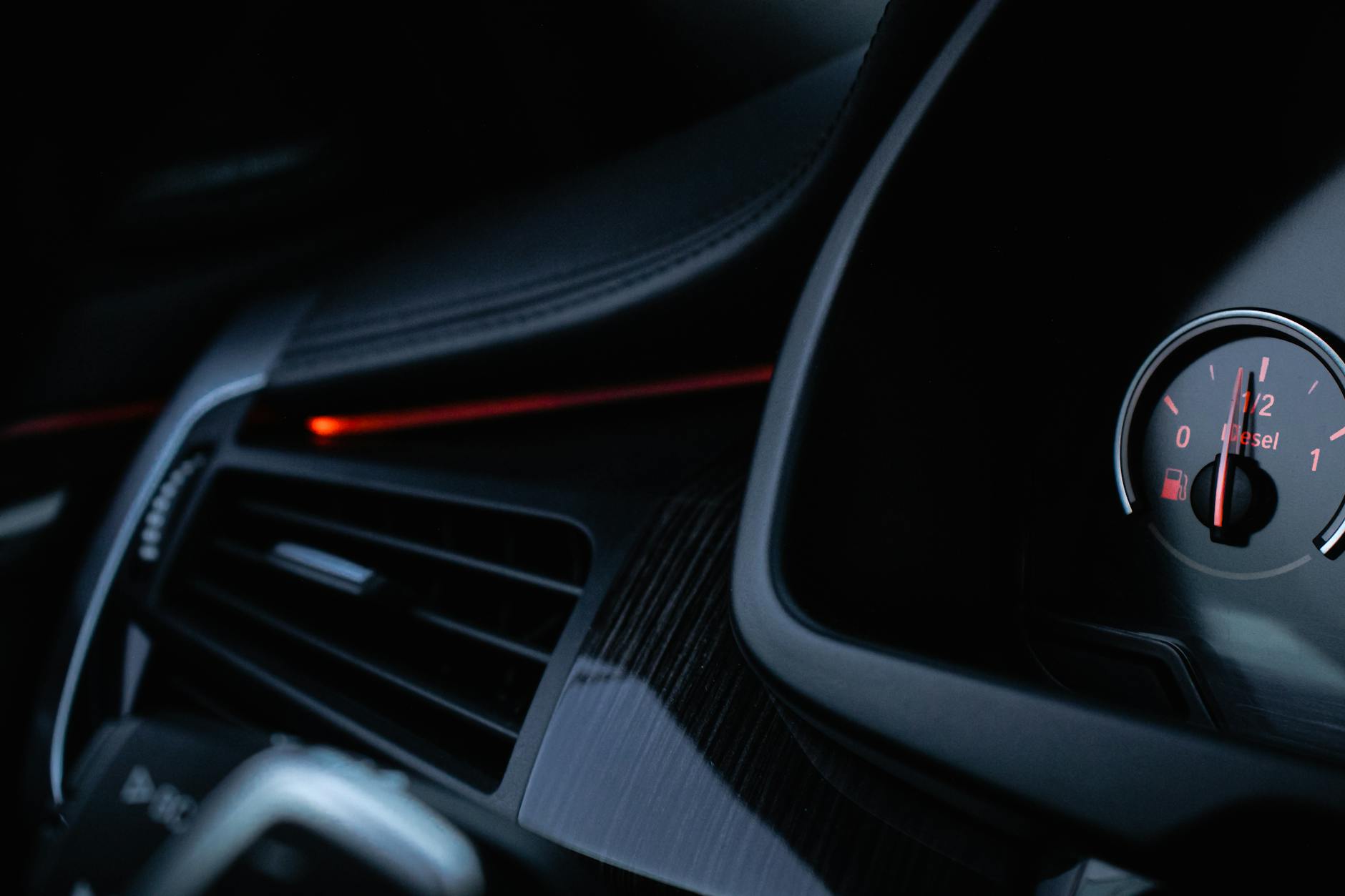
Beyond under-the-hood applications, PP is also used for interior components, such as dashboard parts, trim pieces, and ventilation components. These parts need to withstand exposure to sunlight, temperature fluctuations, and cleaning products. PP’s UV resistance and chemical inertness make it well-suited for these applications. 3D printing with PP allows automotive manufacturers to create custom parts, optimize designs, and reduce lead times, contributing to greater efficiency and innovation in the industry. Remember to consider the specific operating temperatures in the automotive environment, as PP’s mechanical properties can be affected by extreme heat or cold.
Medical Applications: Where Sterilization and Biocompatibility Matter
In the medical field, sterilization and biocompatibility are paramount considerations. PP’s ability to withstand various sterilization methods, including autoclaving (steam sterilization) and chemical sterilization, makes it a valuable material for 3D-printed medical devices and equipment. Surgical guides, custom prosthetics, and medical device prototypes can be effectively sterilized without compromising their structural integrity or functionality.
While PP is generally considered biocompatible, it’s crucial to select medical-grade PP filaments specifically designed for medical applications. These filaments undergo rigorous testing to ensure they meet the stringent requirements for biocompatibility and safety. Furthermore, the design and manufacturing processes must adhere to strict quality control standards to minimize the risk of contamination or adverse reactions. Examples of medical applications include surgical models, orthotics, and custom assistive devices. Always consult with medical professionals and regulatory guidelines to ensure the appropriate use of PP in medical applications.
Tips for Successfully 3D Printing with Polypropylene
3D printing with PP can be more challenging than with materials like PLA or ABS, but with the right techniques, excellent results can be achieved. Bed adhesion is a common issue, so using a heated bed (around 100-110°C) and applying an adhesive like polypropylene tape or a specialized PP adhesion promoter is crucial. An enclosed build chamber helps maintain a consistent temperature and prevents warping, especially for larger prints. Print speeds should be moderate to allow for proper layer adhesion.
Experiment with different nozzle temperatures (typically between 200-240°C) to find the optimal setting for your specific filament and printer. Cooling should be minimized or turned off entirely to prevent warping and delamination. Proper ventilation is essential when printing with any plastic, including PP. Consider using a fume extractor to remove any potentially harmful fumes. Post-processing techniques, such as sanding and polishing, can be used to improve the surface finish of PP prints. Remember to always consult the filament manufacturer’s recommendations for specific printing parameters.
Beyond the Obvious: Niche Applications of PP in 3D Printing
While automotive and medical applications highlight PP’s strengths, its chemical resistance unlocks opportunities in other specialized areas. Consider the agricultural sector, where PP can be used for creating custom irrigation components, fertilizer applicators, and protective housings for sensors that are exposed to harsh chemicals and environmental conditions. The food and beverage industry can leverage PP for creating jigs, fixtures, and containers that meet food safety standards and withstand cleaning agents.
In marine applications, PP’s resistance to saltwater and UV degradation makes it suitable for creating boat parts, housings for underwater sensors, and custom fittings. Even in the arts and crafts world, PP’s chemical resistance can be advantageous for creating molds for casting resins or working with other chemicals. The key is to identify situations where chemical exposure or the need for sterilization is a primary concern, and then explore how PP’s unique properties can provide a solution. Always research the specific chemical compatibility of the PP filament you are using to ensure it is suitable for the intended application.
Key Takeaways
- Polypropylene
- PP
- 3D printing
- Chemical resistance
- Automotive
- Medical
- Material properties
- Additive manufacturing
- Prototyping
- Manufacturing