
The Ultimate Guide to Online Sheet Metal Fabrication
Unlock precision, speed, and efficiency with online sheet metal fabrication for your next project.
Introduction to Online Sheet Metal Fabrication
Sheet metal fabrication is a versatile manufacturing process used to create parts and structures from thin metal sheets. Traditionally, this involved a complex and time-consuming process of finding a suitable fabrication shop, sending drawings for quotes, and waiting for weeks to receive the finished parts. Online sheet metal fabrication platforms have revolutionized this process, offering instant quotes, faster turnaround times, and a wider range of materials and finishes.
This guide will provide a comprehensive overview of online sheet metal fabrication, covering the key processes, achievable tolerances, ideal applications, and how platforms like Xometry streamline the entire experience. Whether you’re a seasoned engineer or a hobbyist, understanding these aspects will empower you to leverage the benefits of online sheet metal fabrication for your projects.
Key Processes in Sheet Metal Fabrication
Online sheet metal fabrication typically involves several key processes, each contributing to the final product. These include:
- Laser Cutting: A highly precise method that uses a laser beam to cut intricate shapes and designs from sheet metal. Laser cutting is known for its accuracy, clean cuts, and minimal material waste.
- Bending: Forming sheet metal into specific angles and shapes using specialized bending machines. Bending is crucial for creating enclosures, brackets, and other structural components.
- Punching: Creating holes or shapes in sheet metal using a punch press. Punching is often used for high-volume production of parts with simple geometries.
- Welding: Joining multiple sheet metal parts together using welding techniques. Welding provides strong and durable bonds for complex assemblies.
- Post-Processing: A range of finishing operations, such as powder coating, anodizing, or plating, to improve the appearance, durability, and corrosion resistance of the fabricated parts.
Understanding these processes allows you to choose the most appropriate methods for your specific application and optimize your designs for manufacturability.
Achievable Tolerances and Material Considerations
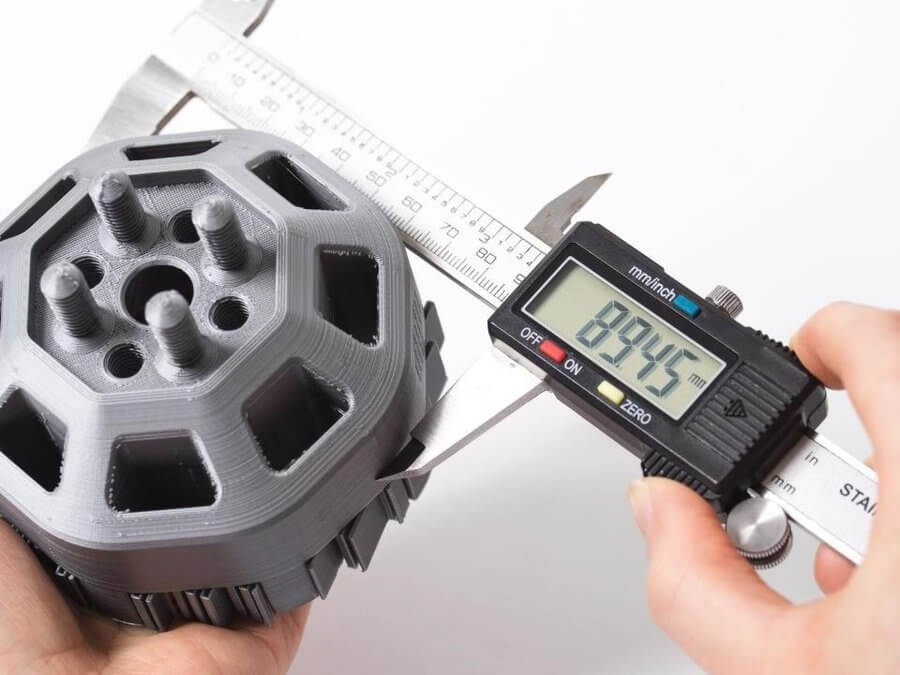
Precision is paramount in sheet metal fabrication. Online platforms typically offer tight tolerances, ensuring that your parts meet your exact specifications. A typical tolerance for laser cutting and bending is ±0.1 mm (±0.004 inches). However, it’s essential to consider material properties and design complexity, as these factors can influence the achievable tolerance.
Sheet metal fabrication supports a wide range of materials, including:
- Aluminum: Lightweight, corrosion-resistant, and easy to machine. Ideal for enclosures, brackets, and cosmetic parts.
- Steel: Strong, durable, and cost-effective. Suitable for structural components, chassis, and heavy-duty applications.
- Stainless Steel: Corrosion-resistant, hygienic, and aesthetically pleasing. Commonly used in food processing equipment, medical devices, and architectural applications.
- Copper: Excellent electrical conductivity and thermal properties. Used in electrical connectors, heat sinks, and busbars.
Selecting the right material is crucial for ensuring the performance, durability, and cost-effectiveness of your fabricated parts.
Ideal Applications for Sheet Metal Fabrication
Sheet metal fabrication is a versatile manufacturing process with applications across various industries. Some common examples include:
- Enclosures: Protecting sensitive electronic components from dust, moisture, and electromagnetic interference.
- Brackets: Providing structural support and mounting points for various components.
- Chassis: Housing and supporting the internal components of electronic devices and machinery.
- Panels: Creating aesthetically pleasing and functional surfaces for appliances, equipment, and architectural elements.
- Custom Prototypes: Quickly and cost-effectively creating prototypes for testing and validation.
The ability to create custom shapes, sizes, and features makes sheet metal fabrication an ideal solution for a wide range of applications where standard components are not suitable.
Xometry: Streamlining Sheet Metal Fabrication with Instant Quoting
Traditional sheet metal fabrication often involves a lengthy and cumbersome process of requesting quotes from multiple suppliers and waiting for days or even weeks to receive them. Xometry’s online platform eliminates this friction by providing instant quotes based on your uploaded CAD files. Simply upload your design, specify the material, finish, and quantity, and receive an immediate quote. This allows you to quickly compare prices, evaluate different options, and make informed decisions.
Xometry’s platform also offers a range of other benefits, including:
- Access to a network of qualified manufacturers: Ensuring high-quality fabrication and reliable delivery.
- Real-time design feedback: Identifying potential manufacturability issues early in the design process.
- Order tracking and management: Providing complete visibility into the status of your order.
By leveraging Xometry’s instant quoting and comprehensive platform, you can significantly reduce the time and cost associated with sheet metal fabrication, accelerating your product development cycle and improving your bottom line.
Key Takeaways
- Sheet metal fabrication
- Laser cutting
- Metal bending
- Online manufacturing
- Custom metal parts
- Rapid prototyping
- Xometry