
From Idea to Prototype: Online Manufacturing for Consumer Product Startups
Bringing your consumer product idea to life has never been more accessible thanks to online manufacturing.
Democratizing Product Development: The Rise of Online Manufacturing
For decades, bringing a physical product to market was a complex and expensive undertaking, often reserved for established companies with significant capital. However, the rise of online manufacturing platforms has dramatically leveled the playing field. These platforms connect entrepreneurs and startups with a global network of manufacturers, offering a range of services from rapid prototyping to small-batch production.
Online manufacturing empowers you to transform your concept into a tangible prototype faster and more affordably than ever before. Instead of investing in expensive equipment or building your own factory, you can leverage existing manufacturing capacity on demand. This agile approach allows for rapid iteration, testing, and refinement of your product design, ultimately increasing your chances of success in the market.
The core advantage is the accessibility. These platforms provide instant quotes, design feedback, and project management tools. This transparency and ease of use allows even solo entrepreneurs to navigate the complexities of manufacturing with confidence.
From Concept to CAD: Preparing Your Design for Manufacturing
Before you can leverage the power of online manufacturing, you need a well-defined product design. This starts with a clear understanding of your target market, their needs, and the problem your product solves. Once you have a solid concept, it’s time to translate it into a detailed 3D model using CAD (Computer-Aided Design) software.
Several user-friendly CAD packages are available, some even free for hobbyist or startup use. Popular choices include Fusion 360, TinkerCAD, and FreeCAD. Focus on creating accurate and manufacturable designs. Pay close attention to tolerances, material thicknesses, and draft angles. These seemingly minor details can significantly impact the cost and feasibility of manufacturing.
Consider Design for Manufacturing (DFM) principles early in the design process. DFM involves optimizing your design for efficient and cost-effective production. Many online manufacturing platforms offer DFM analysis tools that can identify potential manufacturing issues and suggest design improvements. This proactive approach can save you time and money in the long run by preventing costly mistakes during production.
Ensure your CAD files are in a compatible format (e.g., STEP, STL) for uploading to the online manufacturing platform.

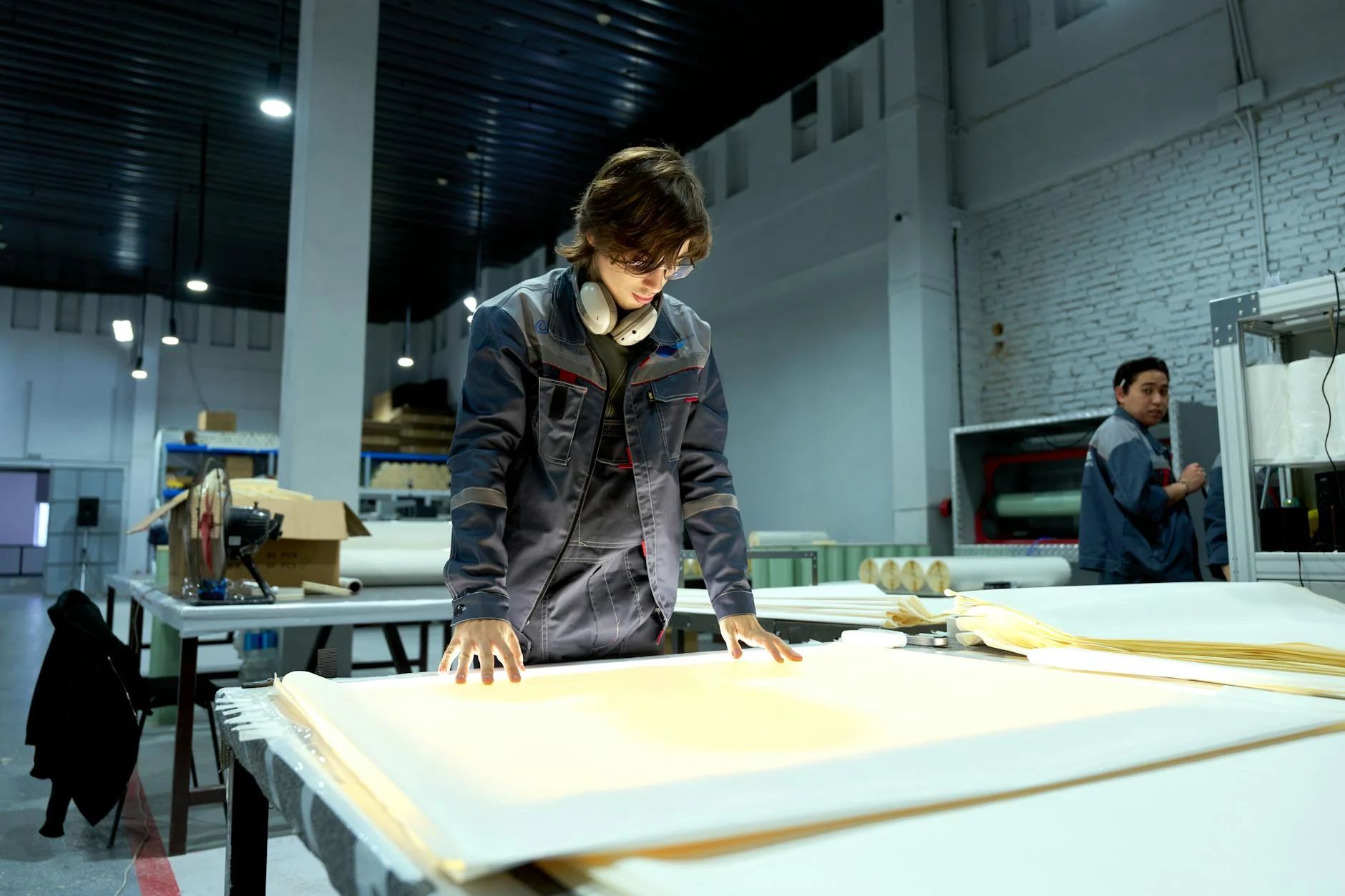
Prototyping on a Budget: Choosing the Right Manufacturing Process
Prototyping is a crucial step in the product development process. It allows you to test your design, gather feedback, and identify any potential flaws before committing to mass production. Online manufacturing platforms offer a variety of prototyping services, each with its own advantages and disadvantages in terms of cost, speed, and material properties.
3D Printing: Ideal for creating complex geometries and iterating quickly on design changes. It’s relatively inexpensive for small quantities and offers a wide range of materials, from plastics to metals. However, 3D-printed parts may not have the same strength or surface finish as parts manufactured using other processes.
CNC Machining: Offers high precision and excellent surface finish. Suitable for creating parts from a variety of materials, including metals, plastics, and composites. CNC machining is generally more expensive than 3D printing, especially for complex geometries.
Sheet Metal Fabrication: A cost-effective option for creating parts from sheet metal. Suitable for enclosures, brackets, and other structural components. Offers good strength and durability.
Consider your budget, design requirements, and the desired material properties when choosing a prototyping process. Start with the simplest and most affordable option that meets your needs, and gradually move to more advanced processes as your design matures.
Selecting the Right Online Manufacturing Partner
Choosing the right online manufacturing partner is critical for the success of your product development project. Several platforms are available, each with its own strengths and weaknesses. Consider the following factors when making your decision:
Manufacturing Capabilities: Ensure the platform offers the services you need, including the desired manufacturing processes, materials, and finishing options.
Pricing and Lead Times: Compare quotes from different platforms to find the best value for your money. Pay attention to lead times, as they can vary significantly depending on the complexity of your project and the platform’s capacity.
Quality Control: Inquire about the platform’s quality control processes. Do they have inspection procedures in place to ensure that parts meet your specifications?
Communication and Support: Choose a platform that offers excellent communication and support. You should be able to easily contact their team with questions or concerns.
Customer Reviews: Read reviews from other customers to get an idea of the platform’s reputation and reliability.
Some popular online manufacturing platforms include Xomotry, Protolabs, and Fictiv. Take the time to research and compare different options before making your final decision.
Iterating and Refining: Using Feedback to Improve Your Design
Once you receive your prototype, it’s time to put it to the test. Gather feedback from potential customers, engineers, and other stakeholders. Use this feedback to identify any areas for improvement in your design. This iterative process is essential for creating a product that meets the needs of your target market.
Don’t be afraid to make significant changes to your design based on feedback. The goal is to create the best possible product, even if it means going back to the drawing board. Online manufacturing platforms make it easy to iterate quickly on design changes and order new prototypes.
Consider using A/B testing to compare different design options. Create two or more prototypes with slight variations and gather feedback on each one. This can help you identify which design features are most appealing to your target market.
Document all feedback and design changes carefully. This will help you track your progress and ensure that you’re making informed decisions.
From Prototype to Production: Scaling Up Your Manufacturing
Once you’re satisfied with your prototype, it’s time to think about scaling up your manufacturing. Online manufacturing platforms can also assist with small-batch production and even mass production. As your production volume increases, you may need to consider different manufacturing processes and materials. For example, injection molding may be a more cost-effective option for large quantities of plastic parts.
Work closely with your online manufacturing partner to optimize your design for mass production. They can provide valuable insights into how to reduce costs and improve efficiency. Consider negotiating pricing and lead times as your production volume increases.
Be prepared to invest in tooling and fixtures for mass production. These upfront costs can be significant, but they will pay off in the long run by reducing per-unit costs.
Continuously monitor the quality of your products and make adjustments to your manufacturing process as needed. This will help you ensure that you’re consistently delivering high-quality products to your customers.
Key Takeaways
- Online manufacturing
- Prototype
- Consumer product development
- Startup
- Product design
- Manufacturing
- DFM