Laser Cutting vs. Waterjet Cutting: Choosing the Right Method for Your Sheet Metal Fabrication
A comprehensive guide to selecting the optimal cutting method for your sheet metal project.
Understanding the Basics: Laser Cutting and Waterjet Cutting
When it comes to sheet metal fabrication, laser cutting and waterjet cutting are two prominent techniques, each offering unique advantages and disadvantages. Understanding these differences is crucial for making informed decisions about your project. Laser cutting utilizes a highly focused laser beam to melt, burn, or vaporize material, resulting in a clean and precise cut. It’s known for its speed and accuracy, particularly on thinner materials.
Waterjet cutting, on the other hand, employs a high-pressure stream of water, often mixed with an abrasive substance, to erode the material. This method excels at cutting thicker materials and is suitable for a wider range of substances, including those sensitive to heat. Both methods are computer-controlled, ensuring consistent and repeatable results, but their application depends heavily on the specifics of the project.
Choosing between laser and waterjet cutting involves considering factors such as material type and thickness, desired precision, complexity of the design, and budget constraints. A careful evaluation of these factors will lead to the selection of the most efficient and cost-effective cutting method for your needs.
Material Compatibility: Which Method Cuts What?
One of the most significant factors in choosing between laser cutting and waterjet cutting is the material you’re working with. Laser cutting is exceptionally well-suited for a variety of metals, including steel, stainless steel, and aluminum. However, it may struggle with highly reflective materials or materials that are too thick, as the laser’s energy can be reflected or dissipated before cutting through completely. Laser cutting also works well with certain plastics and wood, expanding its versatility.
Waterjet cutting shines when dealing with materials that are difficult to cut with lasers, such as thick metals, stone, glass, and composites. Because it doesn’t rely on heat, waterjet cutting can handle materials that are heat-sensitive, preventing warping, melting, or other thermal distortions. This makes it ideal for materials like rubber, foam, and certain plastics. The abrasive nature of waterjet cutting allows it to tackle virtually any material, albeit sometimes at a slower pace compared to laser cutting.
Therefore, if your project involves a diverse range of materials or materials that are known to be challenging for laser cutting, waterjet cutting might be the more suitable choice. Conversely, for common metals and plastics, laser cutting often provides a faster and more cost-effective solution.
Precision and Design Complexity: Achieving the Desired Accuracy
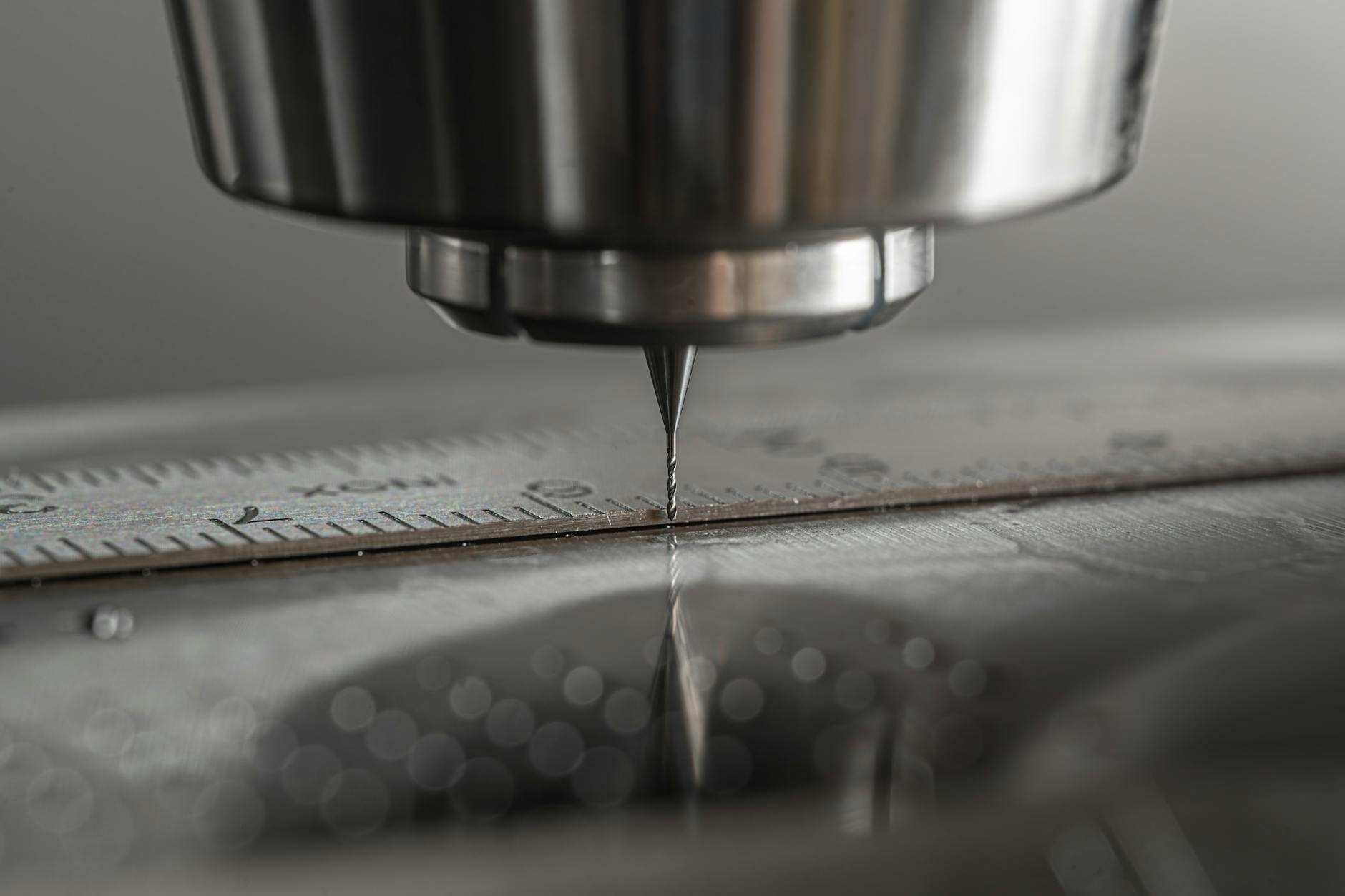
The level of precision and the complexity of the design play a crucial role in determining the appropriate cutting method. Laser cutting generally offers higher precision and the ability to create intricate designs with fine details. The narrow laser beam allows for tight tolerances and sharp corners, making it ideal for projects requiring intricate patterns or small, precise cuts. Laser cutting also minimizes the risk of material distortion, as the heat-affected zone is typically small.
Waterjet cutting, while capable of producing accurate cuts, may not achieve the same level of precision as laser cutting, especially on thinner materials. The wider cutting kerf (the width of the cut) can also be a limiting factor when creating very small or intricate details. However, advancements in waterjet technology have significantly improved its precision capabilities. Waterjet cutting excels at cutting thick materials and creating complex shapes in materials that are prone to heat distortion, where precision is less critical than material integrity.
Consider the specific requirements of your design. If your project demands exceptional precision and intricate details, laser cutting is likely the better choice. If you need to cut thick materials or materials that are sensitive to heat, and the design complexity is moderate, waterjet cutting can provide a viable solution.
Cost Considerations: Balancing Budget and Performance
Cost is always a significant factor in any manufacturing project. Laser cutting and waterjet cutting have different cost structures that can influence your decision. Laser cutting generally has lower operating costs, particularly for high-volume production runs. The process is faster, and the energy consumption is often lower compared to waterjet cutting. However, the initial investment in laser cutting equipment can be higher.
Waterjet cutting tends to have higher operating costs due to the consumption of abrasive materials and the higher energy requirements for generating the high-pressure water stream. The cutting speed is also generally slower than laser cutting, which can increase labor costs. However, the initial investment in waterjet cutting equipment may be lower than that of laser cutting, especially for smaller operations.
To accurately assess the cost-effectiveness of each method, consider the volume of parts you need to produce, the complexity of the design, the type and thickness of the material, and the desired level of precision. Obtain quotes from both laser cutting and waterjet cutting service providers to compare the costs for your specific project. Also factor in potential material waste, as the cutting kerf differs between the two methods.
Environmental Impact and Sustainability
In today’s environmentally conscious world, the environmental impact of manufacturing processes is an important consideration. Laser cutting generally has a lower environmental footprint compared to waterjet cutting. It produces minimal waste and does not require the use of abrasive materials that need to be disposed of. The energy consumption is also typically lower.
Waterjet cutting, on the other hand, generates wastewater containing abrasive particles, which requires proper treatment and disposal. The abrasive materials themselves also contribute to the environmental impact. However, advancements in waterjet technology have led to more sustainable practices, such as water recycling and the use of biodegradable abrasive materials.
When evaluating the environmental impact, consider the entire lifecycle of the cutting process, from material sourcing to waste disposal. If sustainability is a primary concern, laser cutting may be the preferred option, but it’s essential to investigate the specific practices of the service provider to ensure responsible waste management and energy efficiency.
Making the Final Decision: A Summary
Choosing between laser cutting and waterjet cutting requires a careful evaluation of several factors. Laser cutting is generally faster, more precise, and more cost-effective for thinner materials and simpler designs, especially when working with common metals and plastics. It also boasts a lower environmental impact.
Waterjet cutting excels at cutting thicker materials, heat-sensitive materials, and a wider range of substances, including stone, glass, and composites. While it may be slower and have higher operating costs, it offers versatility and the ability to handle materials that laser cutting cannot.
Ultimately, the best method depends on the specific requirements of your project. By carefully considering material compatibility, design complexity, cost considerations, and environmental impact, you can make an informed decision that optimizes performance, efficiency, and sustainability.
Key Takeaways
- Laser cutting
- Waterjet cutting
- Sheet metal fabrication
- Metal cutting
- Manufacturing
- Prototyping
- Metal fabrication