
CNC Machining Post-Processing: Anodizing, Powder Coating, and Surface Finishing
Enhance the performance and aesthetics of your CNC-machined parts with the right post-processing techniques.
Introduction to CNC Machining Post-Processing
CNC machining is a precise manufacturing process, but the raw parts coming off the machine often require additional treatments to achieve their final desired properties and appearance. These post-processing techniques are crucial for enhancing the performance, durability, and aesthetics of CNC-machined components. Selecting the appropriate post-processing method depends on the material, application, and desired outcome. This article explores common post-processing options, including anodizing, powder coating, and various surface finishing techniques, and how they impact the final product.
The post-processing stage is where raw CNC parts are transformed into finished products ready for integration into larger assemblies or direct consumer use. Without these finishing steps, parts may lack the necessary corrosion resistance, wear resistance, or aesthetic appeal required for their intended application. Understanding the benefits and limitations of each post-processing method is essential for engineers and designers to make informed decisions and optimize the overall manufacturing process.
Anodizing: Enhancing Aluminum and Other Metals
Anodizing is an electrochemical process that converts the metal surface into a decorative, durable, corrosion-resistant, anodic oxide finish. Primarily used on aluminum, anodizing can also be applied to other non-ferrous metals. The process involves immersing the metal part in an electrolytic bath and passing an electric current through it, causing a controlled oxidation of the surface. This creates a thin layer of aluminum oxide, which is much harder and more durable than the original aluminum.
Anodizing offers several advantages. It improves corrosion resistance, increases surface hardness, and provides excellent adhesion for paints and adhesives. Anodized surfaces can also be colored with a variety of dyes, allowing for a wide range of aesthetic options. Different types of anodizing, such as Type II (sulfuric acid anodizing) and Type III (hard anodizing), offer varying levels of corrosion resistance and abrasion resistance. Type III anodizing creates a thicker, denser oxide layer, making it suitable for high-wear applications. Anodizing is commonly used in aerospace, automotive, and consumer electronics industries.
Powder Coating: A Durable and Versatile Finish
Powder coating is a dry finishing process in which finely ground particles of pigment and resin are electrostatically charged and sprayed onto a grounded part. The charged powder adheres to the surface and is then cured in an oven, where it melts and fuses to form a durable, uniform coating. Powder coating is typically used on metals but can also be applied to other materials like plastics and MDF.
Powder coating offers excellent resistance to corrosion, chemicals, and impact. It is also more environmentally friendly than liquid painting, as it emits virtually no volatile organic compounds (VOCs). Powder-coated surfaces are available in a wide range of colors, textures, and gloss levels. The thickness of the coating can also be adjusted to meet specific performance requirements. Powder coating is commonly used in automotive parts, appliances, furniture, and architectural components. It provides a robust and aesthetically pleasing finish that can withstand harsh environments.
Surface Finishing Techniques: Achieving the Desired Texture and Appearance
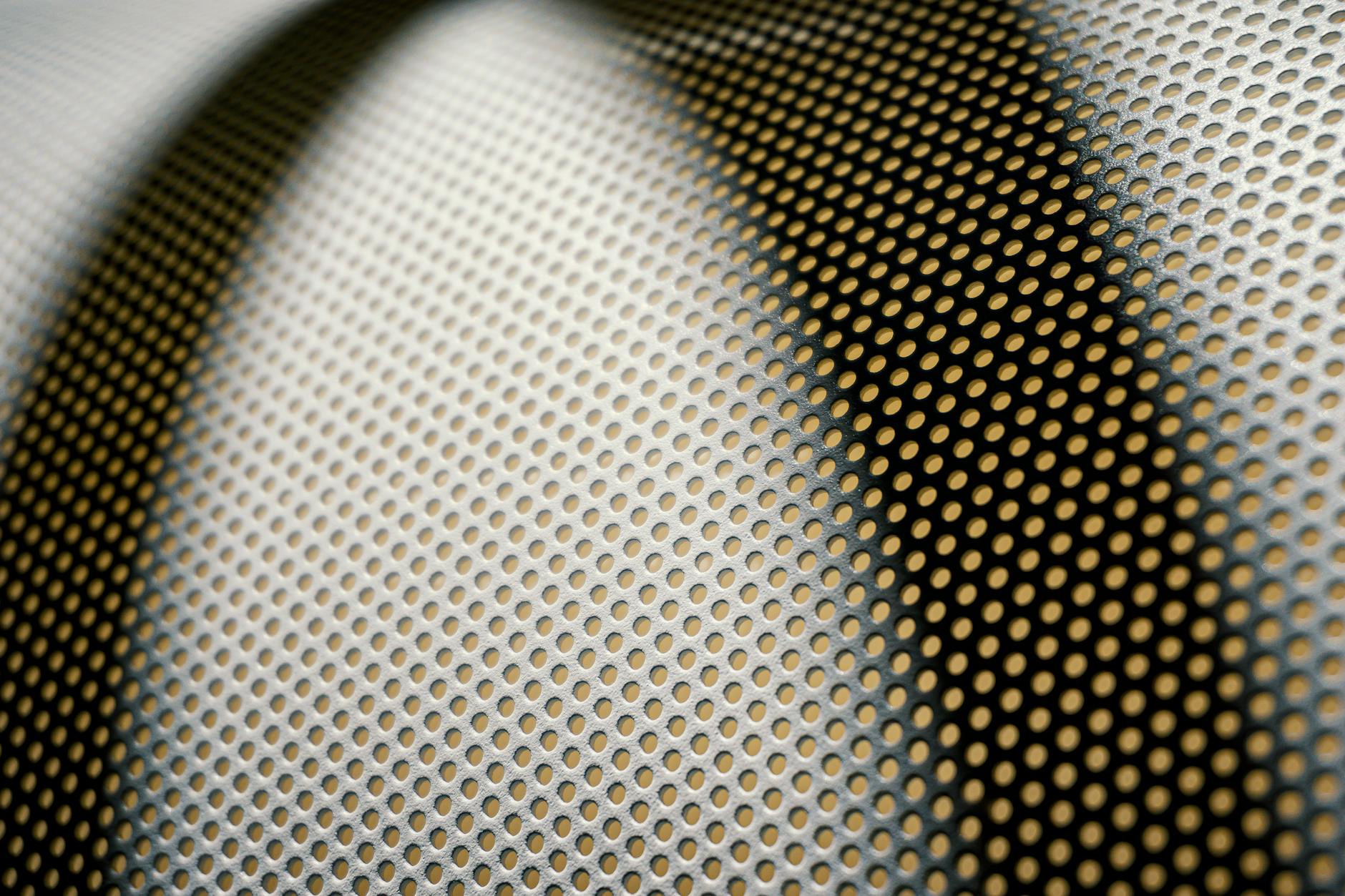
Surface finishing encompasses a variety of processes aimed at altering the surface texture and appearance of CNC-machined parts. These techniques include bead blasting, polishing, brushing, and tumbling, each offering unique aesthetic and functional benefits. Bead blasting involves propelling small beads of media against the surface to create a matte finish, removing surface imperfections, and improving adhesion for subsequent coatings. Polishing uses abrasive compounds to smooth the surface, creating a high-gloss, reflective finish.
Brushing involves using abrasive brushes to create a unidirectional texture, often used for decorative purposes. Tumbling, also known as barrel finishing, involves placing parts in a rotating barrel with abrasive media to deburr, smooth, and polish the surfaces. The choice of surface finishing technique depends on the desired aesthetic, functional requirements, and the material of the part. For example, stainless steel parts are often polished to enhance their corrosion resistance and aesthetic appeal, while aluminum parts may be bead blasted to create a non-reflective surface.
Beyond aesthetics, surface finishing can also improve the functional performance of parts. Deburring removes sharp edges and burrs, reducing the risk of injury and improving the fit and function of mating parts. Surface treatments can also improve wear resistance, reduce friction, and enhance the overall durability of the component. Careful consideration of surface finishing options is crucial for optimizing the performance and longevity of CNC-machined parts.
Impact on Part Performance
The selection of a post-processing technique significantly impacts the performance of CNC-machined parts. Anodizing, for instance, enhances the corrosion resistance and hardness of aluminum components, making them suitable for demanding environments. Powder coating provides a durable and protective layer that can withstand harsh chemicals and impacts, extending the lifespan of the part. Surface finishing techniques like polishing can reduce friction and improve wear resistance, while bead blasting can enhance adhesion for subsequent coatings.
Furthermore, post-processing can address specific performance requirements. For example, hard anodizing is used on aluminum parts that require exceptional abrasion resistance, such as gears and pistons. Electropolishing can improve the surface finish of stainless steel components, making them suitable for medical and food processing applications. The choice of post-processing method should be based on a thorough understanding of the part’s intended application and the environmental conditions it will encounter. Proper post-processing can significantly enhance the reliability, durability, and overall performance of CNC-machined parts.
Aesthetic Considerations
Beyond functional benefits, post-processing plays a crucial role in the aesthetic appeal of CNC-machined parts. Anodizing offers a wide range of color options, allowing for customized designs and branding. Powder coating provides a variety of textures and gloss levels, enabling designers to create visually appealing products. Surface finishing techniques like polishing can create a high-end, reflective finish, while brushing can add a unique, decorative touch. The aesthetic considerations are particularly important for consumer products and applications where visual appearance is a key factor.
The choice of post-processing method should align with the overall design intent and brand identity. For example, a high-end electronic device might benefit from a polished aluminum finish, while an industrial component might be better suited for a durable powder-coated finish. The color, texture, and gloss level of the finish can significantly impact the perceived quality and value of the product. Careful consideration of aesthetic factors can enhance the marketability and customer satisfaction of CNC-machined parts.
Key Takeaways
- CNC machining
- Post-processing
- Anodizing
- Powder coating
- Surface finishing
- Manufacturing
- Metal finishing
- Machined parts