
Soaring to New Heights: How Aerospace Engineers Use On-Demand Manufacturing
Revolutionizing aerospace with speed, precision, and cutting-edge materials.
The Aerospace Challenge: Lightweighting and Complexity
The aerospace and defense industries face constant pressure to innovate. Key priorities include reducing aircraft weight to improve fuel efficiency and performance, while simultaneously creating increasingly complex components to enhance functionality. Traditional manufacturing methods often struggle to meet these demands. Long lead times, high tooling costs, and limitations in geometric complexity can hinder innovation and delay production. This is where on-demand manufacturing emerges as a game-changer.
Aerospace engineers are constantly pushing the boundaries of what’s possible in flight. They need manufacturing solutions that can keep pace with their ambitious designs and stringent performance requirements. On-demand manufacturing provides that agility. By leveraging technologies like 3D printing and advanced CNC machining, engineers can create intricate, lightweight parts with unprecedented speed and precision. This paradigm shift is transforming the way aircraft and defense systems are designed and built, leading to significant advancements in performance, efficiency, and cost-effectiveness.
On-Demand Manufacturing: A New Paradigm
On-demand manufacturing offers a flexible and efficient alternative to traditional manufacturing processes. It encompasses a range of technologies, including 3D printing (additive manufacturing) and advanced CNC machining, that enable the production of parts exactly when and where they are needed. This approach eliminates the need for large inventories, reduces waste, and accelerates the design-to-production cycle. For aerospace engineers, this translates to faster prototyping, quicker iterations, and the ability to incorporate design changes seamlessly.
The ability to produce parts on demand also mitigates supply chain risks. Aerospace supply chains are notoriously complex and vulnerable to disruptions. On-demand manufacturing provides a buffer against these risks by allowing engineers to source parts from multiple locations and adapt quickly to changing market conditions. This resilience is crucial for maintaining production schedules and ensuring the timely delivery of critical components.
Furthermore, on-demand manufacturing empowers aerospace engineers to experiment with new materials and designs without incurring prohibitive costs. This fosters innovation and allows them to push the boundaries of what’s possible in aerospace engineering.
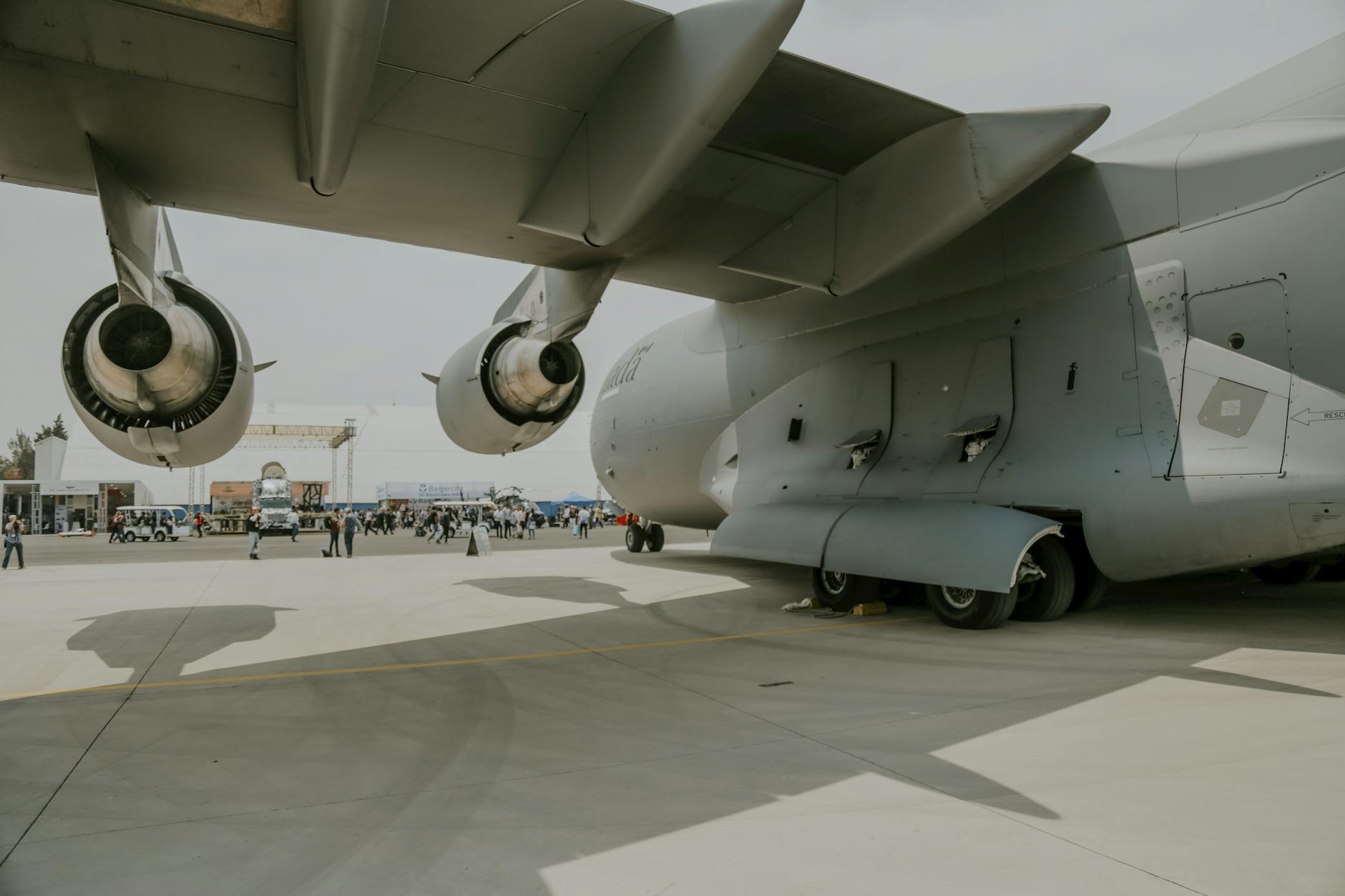
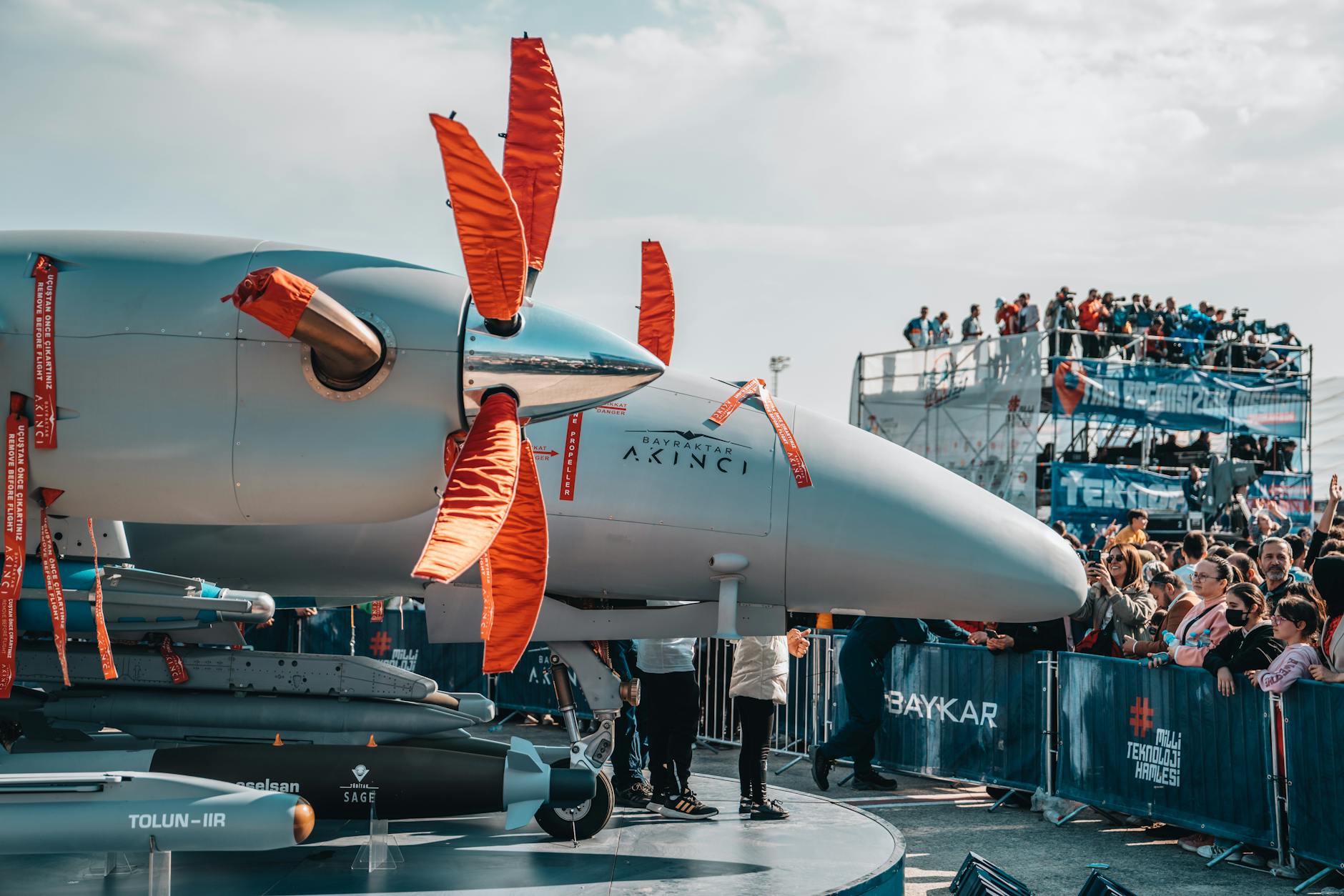
3D Printing: Unlocking Geometric Freedom
3D printing, also known as additive manufacturing, is revolutionizing the aerospace industry by enabling the creation of parts with complex geometries that are impossible to produce using traditional methods. This technology allows engineers to design and manufacture intricate internal structures, optimized for weight and strength. For example, 3D printing can be used to create lightweight aircraft brackets with internal lattice structures that provide exceptional strength-to-weight ratios.
Beyond lightweighting, 3D printing also enables the integration of multiple components into a single part, reducing assembly time and improving overall system reliability. This is particularly valuable in aerospace applications where every gram counts and reliability is paramount. The ability to consolidate parts also simplifies the supply chain and reduces the number of potential failure points.
Materials like titanium, aluminum, and nickel-based alloys are commonly used in 3D printing for aerospace applications. These materials offer excellent strength, corrosion resistance, and high-temperature performance, making them ideal for demanding aerospace environments.
CNC Machining: Precision and Speed
CNC (Computer Numerical Control) machining remains a vital tool for aerospace engineers, offering unparalleled precision and speed in the production of complex parts. Modern CNC machines can create intricate shapes and tight tolerances, ensuring that parts meet the stringent requirements of the aerospace industry. While 3D printing excels at creating highly complex geometries, CNC machining is often preferred for parts that require high precision and surface finish.
On-demand CNC machining services provide aerospace engineers with access to a wide range of materials and capabilities, without the need for large capital investments. This allows them to quickly produce prototypes and production parts in a variety of materials, including aluminum, titanium, stainless steel, and composites. The speed and accuracy of CNC machining make it an ideal solution for producing critical components such as engine parts, landing gear components, and structural elements.
The combination of advanced software and high-precision machines enables CNC machining to deliver parts with exceptional accuracy and repeatability, ensuring consistent performance and reliability in demanding aerospace applications.
Case Studies: Real-World Applications
Several aerospace companies have successfully implemented on-demand manufacturing to improve their operations. For example, one company used 3D printing to create lightweight engine nozzles, resulting in significant fuel savings. Another company leveraged on-demand CNC machining to produce custom landing gear components, reducing lead times and improving supply chain resilience.
These case studies demonstrate the tangible benefits of on-demand manufacturing in the aerospace industry. By embracing these technologies, companies can accelerate innovation, reduce costs, and improve the performance of their products. As on-demand manufacturing technologies continue to evolve, we can expect to see even more widespread adoption in the aerospace sector.
The future of aerospace manufacturing is undoubtedly intertwined with on-demand solutions. The ability to rapidly prototype, produce complex geometries, and leverage advanced materials will be crucial for staying competitive in this dynamic industry.
The Future of Aerospace Manufacturing
On-demand manufacturing is poised to play an increasingly important role in the future of aerospace engineering. As technology advances, we can expect to see even greater adoption of 3D printing, CNC machining, and other on-demand manufacturing techniques. These technologies will enable aerospace engineers to design and build lighter, stronger, and more efficient aircraft and defense systems.
The integration of artificial intelligence (AI) and machine learning (ML) into on-demand manufacturing processes will further enhance efficiency and automation. AI-powered design optimization tools can help engineers create parts that are perfectly tailored to their specific requirements, while ML algorithms can optimize manufacturing processes to reduce waste and improve quality.
The convergence of these technologies will usher in a new era of aerospace manufacturing, characterized by unprecedented speed, flexibility, and innovation. Aerospace engineers who embrace on-demand manufacturing will be well-positioned to lead the way in this exciting new era.
Key Takeaways
- Aerospace engineering
- Defense industry
- On-demand manufacturing
- Additive manufacturing
- CNC machining
- Lightweight materials
- Complex geometries
- Rapid prototyping
- Supply chain
- Manufacturing trends