
Rapid Prototyping in the Automotive Industry: Speeding Up Innovation
Revolutionizing vehicle development through 3D printing and CNC machining.
The Rise of Rapid Prototyping in Automotive
The automotive industry is in a constant state of evolution, driven by the need for greater efficiency, improved performance, and innovative designs. Rapid prototyping has emerged as a crucial tool in this landscape, enabling manufacturers to accelerate the development process, reduce costs, and explore new possibilities. By leveraging technologies like 3D printing (additive manufacturing) and CNC machining (subtractive manufacturing), automotive companies can quickly transform digital designs into physical prototypes, allowing for thorough testing and refinement before committing to mass production.
This shift towards rapid prototyping marks a significant departure from traditional methods, which often involved lengthy lead times and expensive tooling. The ability to iterate quickly on designs, test different materials, and identify potential flaws early on has revolutionized the way vehicles are conceived, engineered, and brought to market. The competitive nature of the automotive industry demands agility and innovation, making rapid prototyping an indispensable asset for staying ahead of the curve.
3D Printing Applications in Vehicle Part Development
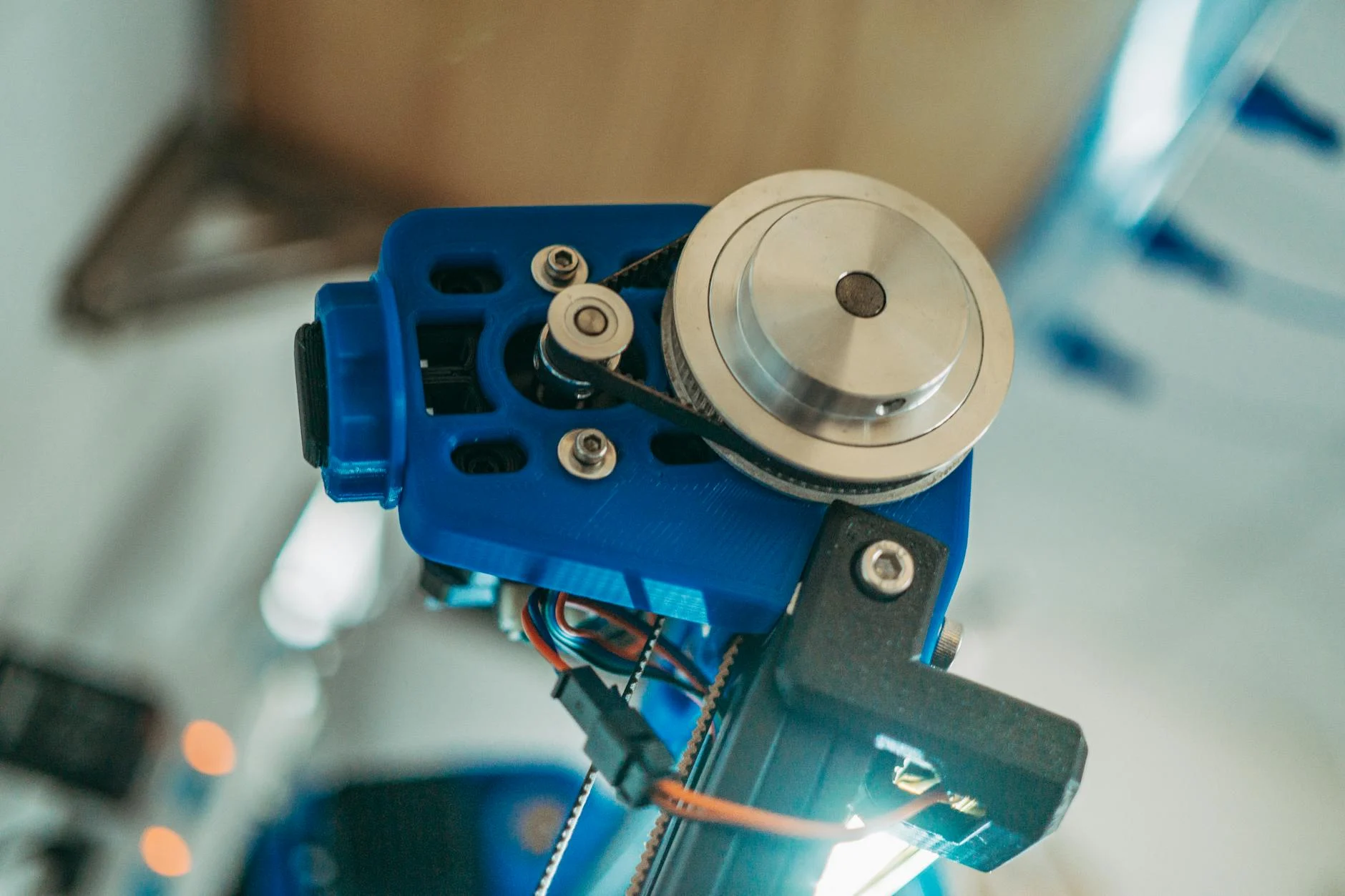
3D printing offers unparalleled flexibility and speed in creating complex geometries and customized parts. In the automotive industry, it’s used for a wide range of applications, including:
- Concept Modeling: Creating visual representations of new vehicle designs to evaluate aesthetics and ergonomics.
- Functional Prototypes: Producing working prototypes of components like dashboards, consoles, and interior trim to test functionality and fit.
- Custom Tooling: Manufacturing jigs, fixtures, and molds for low-volume production runs or specialized applications.
- Spare Parts: Producing on-demand replacement parts for older vehicle models, reducing the need for large inventories.
- Lightweighting: Creating complex, lightweight structures to improve fuel efficiency and performance.
The ability to use a variety of materials, from plastics and polymers to metals and composites, further expands the possibilities for 3D printing in automotive. This allows engineers to test different material properties and optimize designs for specific performance requirements.
CNC Machining for Precision and Performance
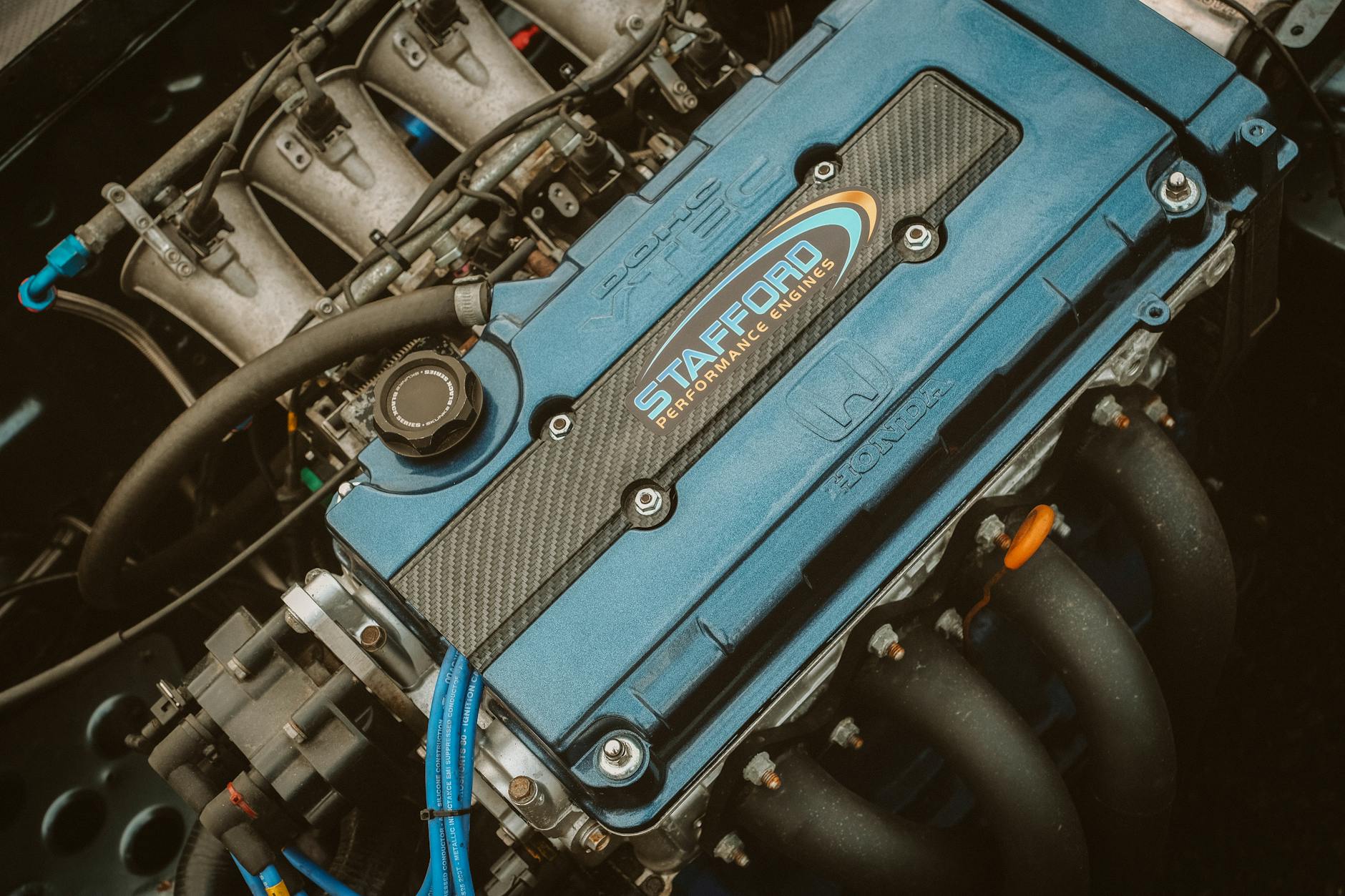
While 3D printing excels at creating complex shapes and customized parts, CNC machining offers superior precision and surface finish. This makes it ideal for producing critical components that require tight tolerances and high performance, such as:
- Engine Components: Machining cylinder heads, pistons, and other engine parts to exacting specifications.
- Suspension Components: Creating suspension arms, knuckles, and other parts that require high strength and durability.
- Transmission Components: Machining gears, shafts, and housings for transmissions to ensure smooth and reliable operation.
- Brake Components: Producing brake calipers, rotors, and other parts that require precise dimensions and high heat resistance.
CNC machining allows automotive manufacturers to use a wide range of materials, including aluminum, steel, titanium, and composites. This enables them to select the optimal material for each component based on its specific performance requirements. The combination of precision and material versatility makes CNC machining an essential tool for rapid prototyping in the automotive industry.
Real-World Examples of Rapid Prototyping Success
Several automotive companies have successfully implemented rapid prototyping to accelerate their development cycles and improve their products. For example, BMW uses 3D printing to create customized parts for its MINI Yours program, allowing customers to personalize their vehicles with unique interior and exterior components. Ford uses 3D printing to develop and test new engine designs, reducing development time and improving fuel efficiency. General Motors uses CNC machining to produce high-performance components for its Corvette racing program, ensuring that its vehicles have a competitive edge on the track.
These examples demonstrate the tangible benefits of rapid prototyping in the automotive industry, from enabling mass customization to improving performance and reducing development costs. As the technology continues to evolve, we can expect to see even more innovative applications of 3D printing and CNC machining in the years to come.
The Future of Rapid Prototyping in Automotive
The future of rapid prototyping in the automotive industry is bright, with ongoing advancements in materials, technologies, and processes. We can expect to see:
- Increased use of multi-material 3D printing: Combining different materials in a single part to optimize performance.
- Integration of AI and machine learning: Using algorithms to optimize designs and predict performance.
- Development of new materials: Exploring advanced polymers, composites, and metals with enhanced properties.
- Adoption of hybrid manufacturing processes: Combining 3D printing and CNC machining to leverage the strengths of both technologies.
These advancements will further accelerate the development process, reduce costs, and enable the creation of even more innovative and high-performance vehicles. Rapid prototyping will continue to play a critical role in shaping the future of the automotive industry.
Key Takeaways
- Rapid prototyping
- Automotive industry
- 3D printing
- CNC machining
- Vehicle development
- Manufacturing
- Prototyping
- Automotive engineering
- Additive manufacturing
- Subtractive manufacturing