
PLA-CF: The Ultimate Material for High-Strength 3D Printing Prototypes
Unlock superior strength and stiffness for your 3D printed prototypes with carbon fiber reinforced PLA.
Introduction to PLA-CF and Functional Prototyping
In the rapidly evolving landscape of additive manufacturing, functional prototyping plays a crucial role in product development. The ability to quickly iterate and test designs with tangible prototypes is invaluable. While standard Fused Deposition Modeling (FDM) materials like PLA and ABS have been staples in 3D printing, they often fall short when strength and stiffness are paramount. This is where Carbon Fiber reinforced PLA (PLA-CF) steps in as a game-changer.
PLA-CF combines the ease of printing associated with PLA with the enhanced mechanical properties of carbon fiber. This composite material offers a significant upgrade over traditional FDM filaments, making it ideal for applications requiring high strength, rigidity, and dimensional stability. Its ability to produce parts that can withstand real-world stresses and strains makes it an excellent choice for functional prototypes that need to perform like end-use components. This introduction will delve into the specific advantages of using PLA-CF for functional prototyping, highlighting why it’s becoming a preferred material for engineers and designers alike.
Enhanced Strength and Stiffness
The primary advantage of PLA-CF lies in its superior mechanical properties compared to standard PLA. The addition of carbon fibers significantly increases the tensile strength, flexural modulus, and impact resistance of the material. This means that parts printed with PLA-CF can withstand higher loads and stresses without deforming or breaking. For functional prototypes, this translates to a more reliable and durable testing experience. Prototypes made with PLA-CF are less likely to fail during testing, providing more accurate and meaningful results.
Consider a prototype for a drone frame. A standard PLA frame might bend or break under the stresses of flight, rendering the test useless. However, a PLA-CF frame can withstand these forces, allowing for thorough testing of the drone’s aerodynamics and control systems. The increased stiffness also reduces unwanted vibrations, which can further improve the accuracy of the prototype’s performance. This ability to maintain structural integrity under load is a key factor driving the adoption of PLA-CF in functional prototyping applications.
Improved Dimensional Stability and Reduced Warping
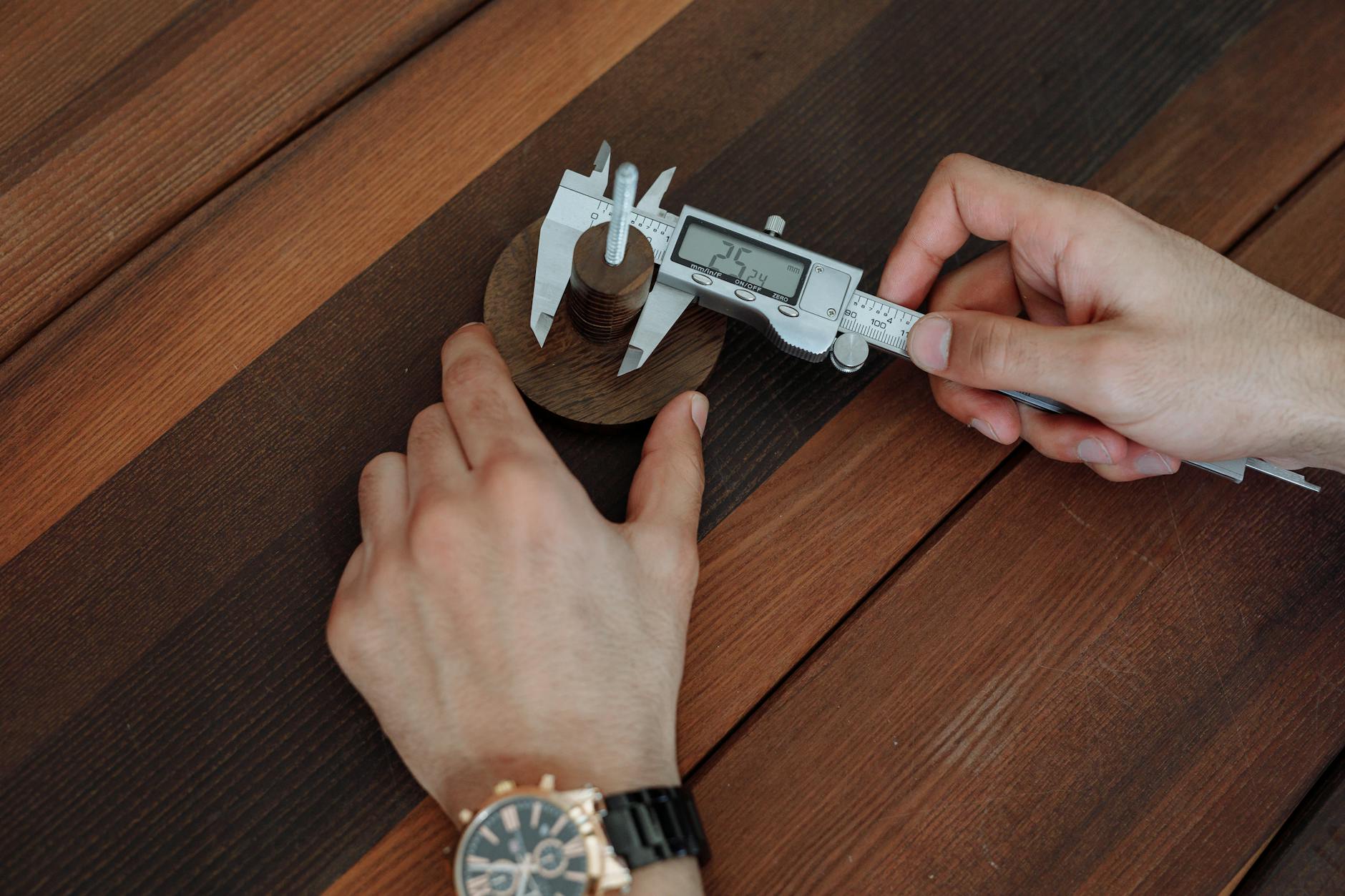
Another significant benefit of PLA-CF is its improved dimensional stability. Carbon fibers help to reduce warping and shrinkage during the printing process, resulting in more accurate and dimensionally consistent parts. This is particularly important for functional prototypes that require precise fits and tight tolerances. Standard PLA is known to warp, especially when printing larger parts, which can compromise the functionality of the prototype. PLA-CF mitigates this issue, allowing for the creation of more complex and intricate designs with confidence.
The reduced warping also translates to less wasted material and time. With standard PLA, multiple attempts may be necessary to achieve the desired dimensions, leading to increased costs and delays. PLA-CF’s enhanced dimensional stability streamlines the prototyping process, enabling faster iteration and quicker turnaround times. This makes it a valuable asset for companies looking to accelerate their product development cycle.
Lightweight Design Opportunities
Despite its enhanced strength and stiffness, PLA-CF remains a relatively lightweight material. This is a crucial advantage for applications where weight is a critical factor, such as in aerospace, automotive, and robotics. Functional prototypes made with PLA-CF can accurately simulate the weight characteristics of end-use parts, allowing engineers to optimize designs for weight reduction without sacrificing structural integrity. This is particularly useful for prototyping components that will eventually be manufactured from lightweight materials like aluminum or carbon fiber composites.
By using PLA-CF for prototyping, designers can identify areas where material can be removed or optimized to reduce weight without compromising performance. This can lead to significant cost savings and performance improvements in the final product. The combination of strength, stiffness, and lightweight properties makes PLA-CF an ideal material for creating high-performance functional prototypes that closely mimic the characteristics of the intended end-use product.
Ease of Printing and Compatibility
While PLA-CF offers superior performance, it maintains the ease of printing associated with standard PLA. It can be printed on most standard FDM 3D printers without requiring specialized equipment or modifications. This makes it accessible to a wide range of users, from hobbyists to professional engineers. While an hardened steel nozzle is recommended due to the abrasive nature of the carbon fiber, the printing process is similar to that of standard PLA, making it easy to learn and implement.
PLA-CF also exhibits good bed adhesion and minimal odor during printing, further enhancing the user experience. Its compatibility with a wide range of 3D printers and its ease of use make it a practical and cost-effective solution for functional prototyping. This accessibility allows for rapid prototyping and iteration, accelerating the design process and enabling faster time-to-market.
Applications of PLA-CF in Functional Prototyping
The unique properties of PLA-CF make it suitable for a wide range of functional prototyping applications. Some examples include:
- Robotics: Creating lightweight and strong robotic arms, grippers, and end-effectors.
- Aerospace: Prototyping drone components, aircraft interior parts, and tooling fixtures.
- Automotive: Developing prototype brackets, housings, and interior components.
- Consumer Products: Designing and testing functional prototypes for tools, sporting equipment, and household appliances.
- Medical Devices: Creating prototypes for medical instruments, orthotics, and prosthetics.
In each of these applications, PLA-CF’s combination of strength, stiffness, dimensional stability, and lightweight properties provides a significant advantage over standard FDM materials. It enables the creation of functional prototypes that can withstand real-world testing conditions and accurately represent the performance of the final product.
Key Takeaways
- PLA-CF
- 3D Printing
- Carbon Fiber
- Functional Prototypes
- FDM
- Material Science
- Additive Manufacturing