
Rapid Prototyping Timelines: How Fast Can You Get Parts?
Discover how online platforms are revolutionizing prototyping speed, delivering parts in days, or even hours.
The Need for Speed in Prototyping
In today’s fast-paced product development landscape, time is of the essence. The ability to quickly iterate on designs and test prototypes is crucial for staying ahead of the competition. Rapid prototyping has emerged as a game-changer, allowing engineers and designers to bring their ideas to life faster than ever before. But just how rapid is ‘rapid’?
Traditional prototyping methods often involve lengthy lead times, requiring weeks or even months to receive a physical part. This can significantly slow down the development process, delaying product launches and potentially missing market opportunities. Rapid prototyping aims to compress this timeline, enabling faster iteration cycles and quicker validation of design concepts. The key is leveraging advanced manufacturing technologies and streamlined online platforms.
The demand for speed is driven by several factors. Startups need to validate their concepts quickly to attract funding. Established companies need to accelerate their innovation cycles to maintain a competitive edge. And in all cases, faster prototyping translates to reduced development costs and faster time to market.
Online Manufacturing Platforms: A Paradigm Shift
Online manufacturing platforms have revolutionized the rapid prototyping landscape by providing instant access to a wide range of manufacturing capabilities. These platforms connect engineers and designers with a network of vetted manufacturers, offering services such as 3D printing, CNC machining, sheet metal fabrication, and injection molding, all accessible through a user-friendly online interface.
The traditional process of sourcing prototypes often involved contacting multiple manufacturers, requesting quotes, and waiting for weeks to receive a response. Online platforms streamline this process, providing instant quotes based on uploaded CAD files and allowing users to quickly compare pricing and lead times from different manufacturers. This transparency and efficiency significantly reduce the time and effort required to procure prototypes.
Furthermore, these platforms offer a range of materials and finishes, allowing engineers to create prototypes that closely resemble the final product. This enables more accurate testing and validation, reducing the risk of costly design flaws later in the development process. The combination of speed, convenience, and access to advanced manufacturing technologies makes online platforms an invaluable resource for rapid prototyping.
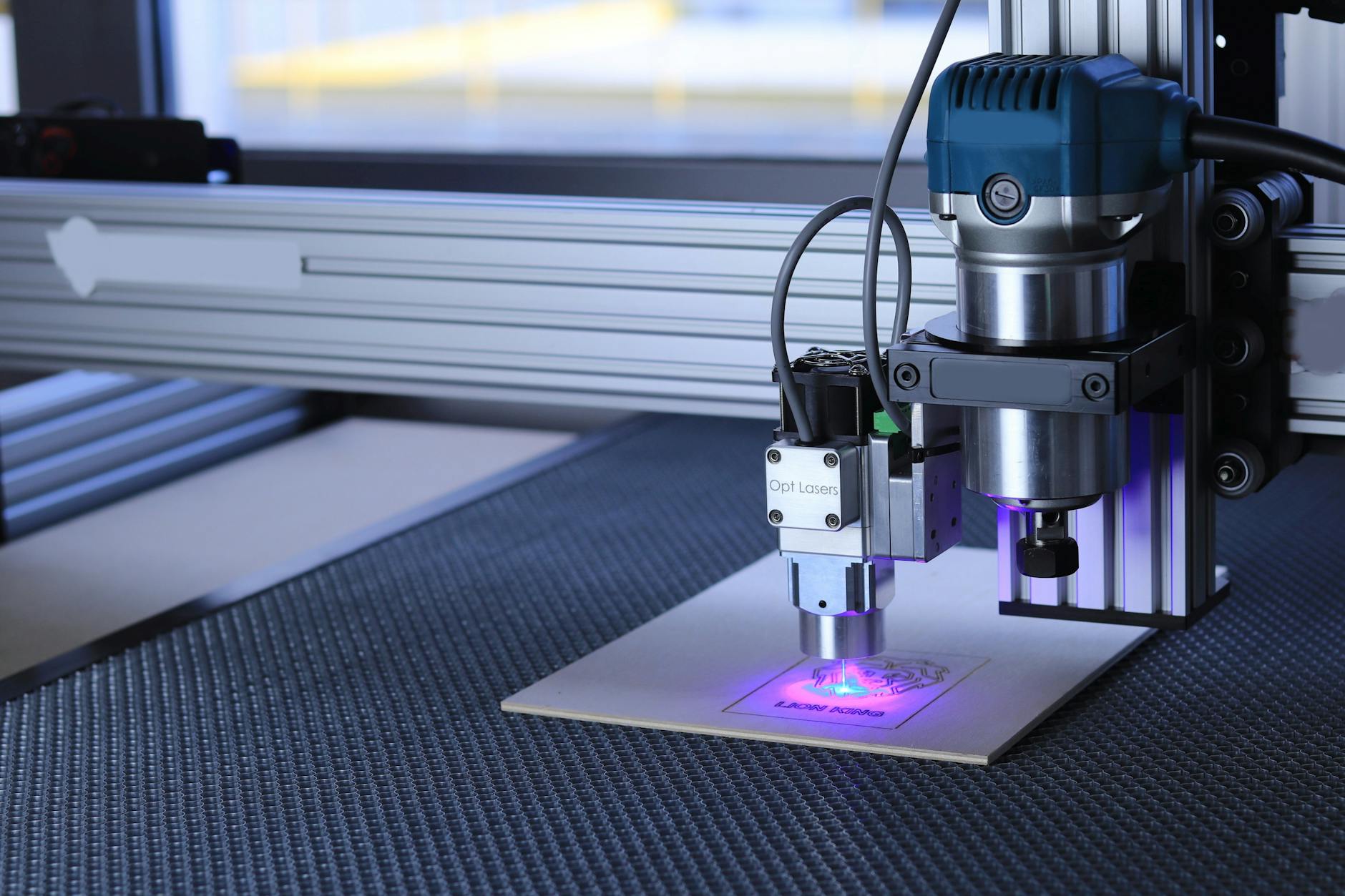
How Fast Can You Really Get Parts?
The speed at which you can receive prototypes from online manufacturing platforms depends on several factors, including the complexity of the part, the chosen manufacturing process, and the selected shipping option. However, in many cases, it’s possible to receive parts in as little as one business day.
For simpler parts manufactured using 3D printing, some platforms offer expedited services that guarantee delivery within 24 hours. CNC machined parts typically require a longer lead time due to the more complex manufacturing process, but even these can often be delivered within a few days. Sheet metal parts may also have quick turnaround times, depending on the complexity of the bends and cuts.
It’s important to note that these timelines are estimates and can vary depending on the specific circumstances. However, the ability to receive parts in a matter of days, rather than weeks or months, represents a significant improvement over traditional prototyping methods.
Factors Influencing Prototyping Lead Times
Several factors can influence the lead time for rapid prototyping. Understanding these factors can help you optimize your design and manufacturing process to minimize delays:
- Part Complexity: More complex designs typically require longer manufacturing times. Features such as intricate geometries, tight tolerances, and multiple components can all increase lead times.
- Manufacturing Process: Different manufacturing processes have different lead times. 3D printing is generally faster for simple parts, while CNC machining may be required for more complex geometries or tighter tolerances.
- Material Selection: The choice of material can also affect lead times. Some materials are easier to process than others, and certain materials may require specialized equipment or processes.
- Finishing Options: Post-processing operations such as painting, polishing, or plating can add to the overall lead time.
- Order Volume: Larger orders may require longer lead times, as manufacturers need time to set up and run the production process.
By carefully considering these factors, you can optimize your design and manufacturing process to minimize lead times and receive your prototypes as quickly as possible.
Optimizing Your Design for Rapid Turnaround
You can take several steps to optimize your designs for faster prototyping turnaround times:
- Simplify Geometries: Reduce complexity wherever possible. Simplify intricate features and avoid unnecessary details.
- Design for Manufacturing (DFM): Consider manufacturing constraints early in the design process. Ensure that your design is compatible with the chosen manufacturing process and that it can be produced efficiently.
- Choose Common Materials: Opt for readily available materials that are easy to process. This can reduce lead times and lower costs.
- Specify Tolerances Wisely: Avoid specifying unnecessarily tight tolerances. Tighter tolerances require more precise manufacturing processes, which can increase lead times and costs.
- Provide Clear Instructions: Clearly communicate your requirements to the manufacturer. Provide detailed drawings, specifications, and any other relevant information.
By following these guidelines, you can optimize your designs for rapid prototyping and receive your parts as quickly as possible.
SeekMake: Your Partner in Rapid Prototyping
SeekMake is a leading online manufacturing platform that provides instant access to a wide range of rapid prototyping services. With SeekMake, you can quickly upload your CAD files, receive instant quotes, and choose from a network of vetted manufacturers to produce your prototypes in as little as one business day.
SeekMake offers a variety of manufacturing processes, including 3D printing, CNC machining, sheet metal fabrication, and injection molding, as well as a wide range of materials and finishing options. Our platform is designed to streamline the prototyping process, making it faster, easier, and more cost-effective than ever before.
Whether you’re a startup looking to validate your concept or an established company seeking to accelerate your innovation cycle, SeekMake can help you bring your ideas to life faster. Contact us today to learn more about our rapid prototyping services and how we can help you achieve your product development goals.
Key Takeaways
- Rapid prototyping
- Prototyping timelines
- On-demand manufacturing
- Lead times
- Manufacturing platforms